freight insurance UAE

Freight Insurance UAE

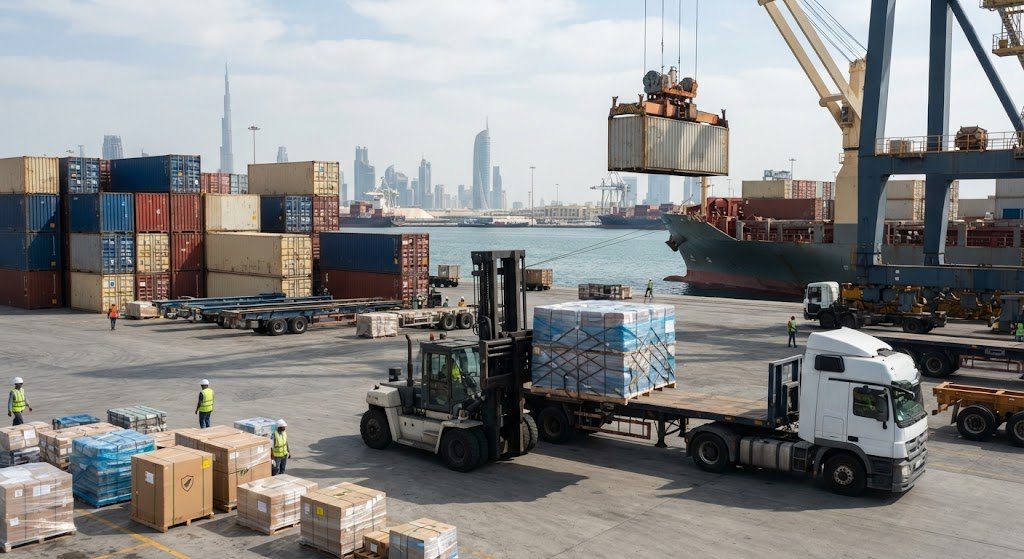
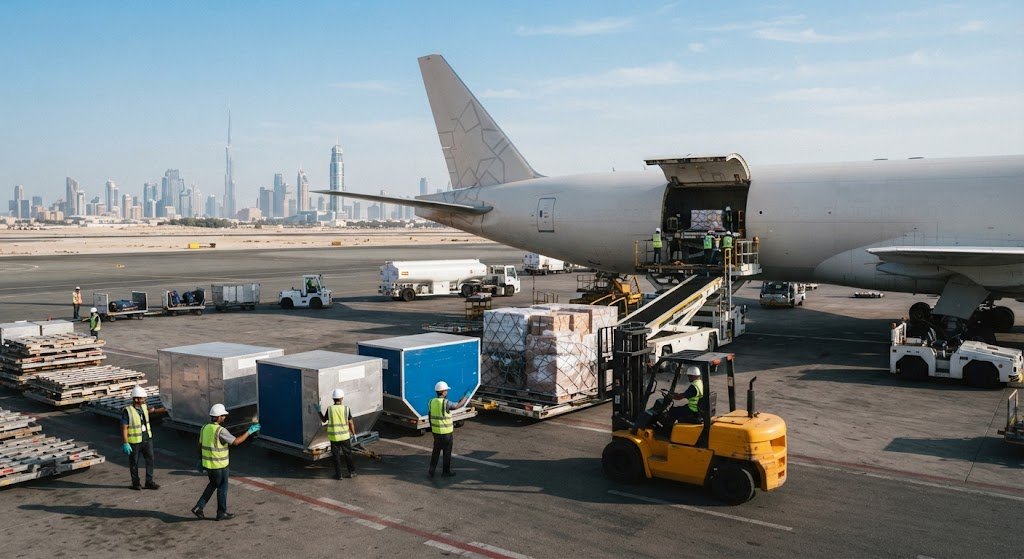
Moving goods across borders involves different risks. Cargo can be damaged during loading, lost during transportation, affected by accidents, or exposed to theft and other unexpected events. Freight insurance UAE services help businesses protect the commercial value of their goods while they are being transported. Cargo insurance can apply to shipments moving by sea, air, road, or multimodal transportation. UAE insurers offer different types of marine cargo policies depending on the shipment, frequency of transportation, cargo value, and required level of protection. For importers, exporters, traders, manufacturers, and logistics businesses, understanding freight insurance can help them manage transportation risks more effectively. What Is Freight Insurance in the UAE? Freight insurance, commonly referred to as cargo or marine cargo insurance, provides financial protection against covered loss or physical damage to goods while they are in transit. Despite the name “marine cargo insurance,” the coverage does not necessarily mean that goods must travel by sea. UAE insurance providers offer cargo protection for goods transported by: Sea freight Air freight Road freight Rail freight Multimodal transportation Parcel or courier services For example, ADNIC states that its marine cargo insurance can cover accidental physical loss or damage during transit by sea, air, land, or parcel post. Why Is Freight Insurance Important? Transportation involves several stages where cargo can be exposed to risk. A shipment may pass through: Supplier → Pickup → Warehouse → Loading → Border/Port → Transportation → Customs → Final Delivery Damage or loss can potentially occur at different points in this process. Freight insurance gives businesses an additional layer of financial protection for covered risks. This can be especially important when transporting expensive machinery, electronics, commercial inventory, fragile products, or large shipments. Cargo insurance is also different from simply relying on a carrier’s liability. Specialist logistics insurers note that carrier liability may not match the full commercial value of the cargo. What Does Freight Insurance Cover? The exact coverage depends on the insurance policy and its terms. Common cargo insurance arrangements can provide protection against covered physical loss or damage during transportation. Depending on the selected policy, coverage may include risks such as: Accidental cargo damage Fire Collision or overturning Theft or pilferage Certain natural disasters Damage during transportation Certain loading and unloading risks War and strikes when specifically included For example, UAE marine cargo insurance products can provide cover for accidental physical loss or damage, while separate war and strikes extensions may be available. The actual protection always depends on the policy wording, exclusions, limits, deductibles, and applicable conditions. Types of Freight Insurance in the UAE Single Shipment Cargo Insurance A single cargo policy is designed for a specific shipment. It can be useful for businesses that: Ship occasionally Have a one-time high-value shipment Need insurance for a specific import or export Want cover for a particular transportation movement ADNIC, for example, offers a Single Cargo Policy for one-time shipments. Open Cargo Insurance Businesses that ship goods regularly may prefer an open cargo policy. Instead of arranging separate insurance for every shipment, an open-cover arrangement can provide ongoing protection for declared shipments during the policy period. This can simplify insurance management for regular importers, exporters, distributors, and trading companies. Marine Cargo Insurance Marine cargo insurance can protect goods transported through international supply chains. Depending on the policy, it can cover cargo moving by sea, air, road, or other approved transportation methods. Inland Freight Insurance Businesses transporting products by truck within the UAE or across regional road routes may also require cargo protection for inland transportation. This can be particularly relevant for shipments moving between warehouses, ports, distribution centers, and GCC destinations. Freight Insurance for UAE to GCC Cargo Businesses regularly moving cargo from the UAE to Saudi Arabia, Oman, Qatar, Bahrain, and Kuwait can consider cargo insurance as part of their overall logistics planning. For example, a shipment may move: Dubai → Saudi Arabia or Sharjah → Oman or UAE → Qatar Road transportation involves risks such as traffic accidents, vehicle overturning, theft, fire, and cargo damage. The applicable insurance policy determines which of these risks are covered. For businesses handling frequent GCC shipments, an open cargo policy may provide a more practical arrangement than arranging individual cover for every shipment. Freight Insurance for Sea Cargo Sea freight can involve long transportation distances and multiple handling points. Containers may be loaded at a warehouse, transported to a port, loaded onto a vessel, discharged at the destination, and then moved to the final delivery location. Cargo insurance can be arranged for goods moving through these stages, subject to the policy terms. UAE marine insurance providers offer cargo coverage for international shipments, including warehouse-to-warehouse arrangements in suitable policies. Freight Insurance for Air Cargo Air freight is commonly used for urgent, high-value, or time-sensitive shipments. Examples include: Electronics Spare parts Medical supplies Documents and samples High-value commercial products Technology equipment Although air freight is generally fast, cargo can still be exposed to handling and transportation risks. Businesses can arrange cargo insurance according to the value and nature of their shipment. Freight Insurance for Road Transportation Road freight is widely used for UAE domestic distribution and GCC transportation. A road cargo shipment may travel through several locations before reaching the final customer. Insurance can provide protection against covered physical loss or damage during the insured transit. This can be useful for businesses transporting: Machinery Furniture Building materials Electronics Industrial equipment Retail products Commercial inventory What Is Not Usually Covered? Cargo insurance does not automatically cover every possible loss. Common exclusions or limitations may include: Normal wear and tear Inherent defects in the goods Poor or unsuitable packaging Certain delays Certain consequential financial losses Uninsured risks Losses outside the insured transit Events specifically excluded by the policy The exact exclusions vary between policies. For example, cargo insurance providers identify inadequate packaging, inherent vice, and delay-related financial loss among common exclusions under certain cargo policy wordings. Therefore, businesses should read the policy wording carefully before selecting coverage. How Much Does Freight Insurance Cost in the

Sharjah to Muscat Cargo

Sharjah to Muscat Cargo

Businesses and individuals regularly move goods from Sharjah to Muscat for commercial, retail, industrial, and personal requirements. From cartons and pallets to furniture, machinery, spare parts, and commercial inventory, choosing the right cargo service can make cross-border transportation easier. Sharjah to Muscat cargo services provide a practical way to transport goods from Sharjah to Oman through established UAE-Oman land routes. Depending on the shipment size, cargo type, and delivery requirements, customers can choose full truckload, less than truckload, or door-to-door transportation. Saif Cargo Shipping Services provides flexible freight solutions for customers who need reliable cargo transportation from Sharjah to Muscat. What Is Sharjah to Muscat Cargo? Sharjah to Muscat cargo refers to the transportation of goods from Sharjah in the UAE to Muscat, the capital city of Oman. Cargo can be collected from: Warehouses Shops Offices Factories Distribution centers Residential locations Commercial properties The shipment can then be transported across the UAE-Oman border and delivered to the required address in Muscat. This service is useful for both businesses and individuals sending approved goods to Oman. Sharjah to Muscat Cargo Route The exact route can depend on the pickup location, cargo type, truck requirements, and border conditions. For cargo originating in Sharjah, Khatmat Malaha is an important UAE-Oman border crossing. Sharjah’s integrated logistics corridor connects its ports and commercial areas with Omani destinations through Khatmat Malaha and Al Madam. A typical route can be: Sharjah → Khatmat Malaha → Oman → Muscat → Final Delivery Another UAE-Oman route, Hatta–Al Wajajah, can also be used depending on the shipment and operational requirements. It provides a direct land connection between the UAE and Oman. The final route should be selected according to the shipment’s origin, destination, cargo type, and customs requirements. Khatmat Malaha Border for Sharjah Cargo Khatmat Malaha is particularly relevant for cargo moving between Sharjah and northern Oman. The crossing is approximately 70 kilometres from Sohar Port, which gives it an important logistics advantage for cargo moving between the UAE and Omani commercial areas. Sharjah Customs and Oman Customs have also developed an integrated logistics corridor designed to improve cargo movement, customs coordination, and supply-chain efficiency between Sharjah and Oman. This makes Khatmat Malaha an important option when planning Sharjah to Muscat cargo. How Sharjah to Muscat Cargo Works 1. Cargo Pickup in Sharjah The process starts with collecting the shipment from the sender’s location in Sharjah. Pickup can be arranged from a warehouse, factory, shop, office, or another approved location. The customer should provide complete cargo information before transportation is arranged. 2. Cargo Packing and Preparation The shipment is checked for: Weight Dimensions Number of packages Cargo type Packaging Handling requirements Cartons, pallets, crates, or other suitable packaging can be used depending on the nature of the goods. 3. Documentation Proper documentation is important for cross-border cargo. Depending on the shipment, documents may include: Commercial invoice Packing list Cargo description Sender details Receiver details Certificate of origin where required Import or export documents Special permits for regulated goods Accurate documents can help reduce unnecessary delays during customs processing. 4. UAE Export Procedures Before the shipment leaves the UAE, the required export and customs procedures are completed. For commercial cargo, the shipment information should match the supporting documents. 5. UAE-Oman Border Crossing The cargo then moves toward the selected UAE-Oman border. For Sharjah-origin cargo, Khatmat Malaha may be suitable, while other routes can be selected according to the shipment’s requirements. Sharjah’s logistics corridor provides customs and logistics facilitation at designated border crossings, helping improve cargo flow between Sharjah and Oman. 6. Oman Customs Clearance After entering Oman, the cargo completes the applicable customs procedures. The exact process depends on the cargo type, commercial value, documentation, and import requirements. 7. Transportation to Muscat After customs clearance, the shipment continues toward Muscat. The cargo can then be delivered to a warehouse, shop, office, factory, or other specified destination. Road Freight from Sharjah to Muscat Road transportation is one of the most practical options for Sharjah to Muscat cargo. It is suitable for: Commercial products Retail inventory Furniture Machinery Auto spare parts Building materials Electronics Household goods Industrial supplies Pallets General cargo Road freight also provides the advantage of connecting the sender’s location directly with the receiver’s final address. FTL Sharjah to Muscat Cargo Full Truckload (FTL) is suitable for large shipments that require dedicated truck capacity. FTL can be useful for: Large commercial orders Multiple pallets Heavy machinery Furniture Construction materials Industrial equipment Warehouse inventory A dedicated truck can provide better control over loading and delivery arrangements. LTL Sharjah to Muscat Cargo Less Than Truckload (LTL) is suitable when the shipment does not require a complete truck. Smaller shipments can share available truck capacity with other compatible cargo. LTL can be suitable for: Small businesses Cartons Pallets Retail products Spare parts Electronics Furniture Business supplies For smaller shipments, LTL can be a practical alternative to booking an entire truck. Sharjah to Muscat Door-to-Door Cargo Door-to-door cargo provides an end-to-end shipping solution. Instead of arranging separate transportation for pickup, border procedures, and final delivery, customers can use one coordinated logistics service. The service can include: Pickup from Sharjah Cargo preparation Documentation Export procedures UAE-Oman border crossing Oman customs clearance Transportation to Muscat Final delivery This option is especially useful for businesses that want a simple and coordinated freight process. Sharjah to Muscat Cargo Transit Time Transit time depends on the selected route, cargo type, customs procedures, border conditions, and final delivery address. For UAE-to-Muscat road cargo, current freight information commonly indicates approximately 1–2 days for road transit, although actual delivery can vary. The shipment may take longer if there are: Customs inspections Documentation problems Border queues Heavy traffic Special cargo requirements Delays in loading or unloading Therefore, customers should request a shipment-specific delivery estimate. Sharjah to Muscat Cargo Cost There is no fixed price for every cargo shipment. The final freight cost can depend on: Pickup location in Sharjah Delivery location in Muscat Cargo weight Cargo dimensions Number of packages FTL or LTL

Saudi Arabia to Dubai Cargo

Saudi Arabia to Dubai Cargo

Shipping goods from Saudi Arabia to Dubai requires proper planning, reliable transportation, and accurate customs documentation. Whether you are sending commercial products, furniture, machinery, spare parts, or general cargo, choosing the right freight service can make the process easier. Saudi Arabia to Dubai cargo services provide a convenient way to move shipments from major Saudi cities to Dubai. Depending on the cargo size, weight, urgency, and budget, road freight or other suitable transportation solutions can be arranged. Saif Cargo Shipping Services helps businesses and individuals manage their cargo transportation from Saudi Arabia to Dubai with practical freight solutions and coordinated logistics support. What Is Saudi Arabia to Dubai Cargo? Saudi Arabia to Dubai cargo refers to the transportation of goods from a location in Saudi Arabia to a destination in Dubai, UAE. The shipment can start from cities such as: Riyadh Dammam Jeddah Mecca Medina Khobar Jubail Other Saudi cities The final delivery can be arranged to: Dubai warehouses Offices Shops Business locations Industrial areas Residential addresses Distribution centers Depending on the service selected, cargo transportation can include pickup, documentation, border procedures, customs coordination, transportation, and final delivery. Saudi Arabia to Dubai Cargo by Road Road freight is an important option for moving cargo between Saudi Arabia and Dubai. The Saudi Arabia–UAE land route uses the Al Batha / Al Ghuwaifat border crossing. Current logistics updates list this crossing as an active Saudi Arabia–UAE export and import route. Road cargo can be suitable for both small and large commercial shipments. It also provides flexibility for shipments that need delivery directly to a warehouse, shop, office, or other address in Dubai. Common Road Cargo Options Full Truckload (FTL) Less Than Truckload (LTL) Palletized cargo Box and carton shipments Commercial cargo Heavy cargo General freight The right option depends on the cargo volume, weight, dimensions, and delivery requirements. How Saudi Arabia to Dubai Cargo Works A typical shipment follows several steps. 1. Cargo Pickup in Saudi Arabia The shipment is collected from the sender’s location. Pickup can be arranged from a warehouse, company, shop, office, or other approved location. The sender should provide accurate information about the cargo before transportation is arranged. 2. Cargo Inspection and Preparation The cargo is checked for its quantity, packaging, weight, dimensions, and handling requirements. Proper packaging helps protect goods during loading, unloading, border procedures, and transportation. 3. Documentation International road cargo requires suitable documentation for customs and transportation. Depending on the shipment, documents may include: Commercial invoice Packing list Export documentation Import documentation Cargo description Consignee details Required certificates or permits Accurate commercial invoices and supporting documents are important for customs clearance. 4. Saudi Customs and Border Procedures The shipment proceeds through the required Saudi export and border procedures before entering the UAE. The logistics provider can coordinate the required documentation and customs process according to the shipment requirements. 5. UAE Customs Clearance After entering the UAE, the cargo must complete the required import customs procedures before final delivery. UAE customs services include import declarations, inspections, and related clearance procedures. 6. Delivery to Dubai Once the required clearance procedures are completed, the cargo continues to the final destination in Dubai. Door-to-door delivery can be arranged when the customer requires delivery directly to a specified address. What Cargo Can Be Shipped from Saudi Arabia to Dubai? Many types of approved commercial and personal goods can be transported between Saudi Arabia and Dubai. Common cargo includes: Furniture Electronics Clothing Retail products Auto spare parts Machinery Building materials Office equipment Household goods Industrial supplies General commercial cargo Pallets and cartons Restricted or regulated products may require additional approvals or special handling. Customers should provide complete cargo details before booking. FTL Saudi Arabia to Dubai Cargo Full Truckload (FTL) is suitable for larger shipments that need most or all of a truck’s available capacity. FTL can be useful for: Large commercial shipments Heavy machinery Furniture Industrial equipment Multiple pallets Warehouse stock Bulk goods A dedicated truck can provide a practical solution when the shipment is large enough to justify the complete vehicle. LTL Saudi Arabia to Dubai Cargo Less Than Truckload (LTL) is suitable when the shipment does not require an entire truck. With LTL transportation, smaller shipments can share available truck capacity with other compatible cargo. This can be a cost-effective option for: Small businesses Retail stock Several cartons Pallets Small commercial shipments Partial loads The best option depends on the cargo’s weight, dimensions, destination, and delivery requirements. Saudi Arabia to Dubai Door to Door Cargo Door-to-door cargo is designed for customers who want the shipment handled from the pickup point in Saudi Arabia to the final address in Dubai. The service can include: Pickup from Saudi Arabia Cargo preparation Documentation Export procedures Cross-border transportation UAE customs coordination Local transportation Final delivery in Dubai This approach can save customers from arranging separate transportation providers for different stages of the shipment. Saudi Arabia to Dubai Cargo Cost There is no fixed price for every Saudi Arabia to Dubai cargo shipment. The final freight quotation depends on several factors. These include: Pickup city in Saudi Arabia Delivery location in Dubai Cargo weight Cargo dimensions Number of packages FTL or LTL requirement Type of cargo Packaging requirements Customs requirements Delivery service Current transportation conditions For an accurate quotation, customers should provide the cargo type, weight, dimensions, pickup location, and Dubai delivery address. Saudi Arabia to Dubai Cargo Transit Time Transit time can vary depending on the pickup city, cargo type, customs processing, border conditions, and final delivery location. For example, shipments originating from eastern Saudi Arabia may have different transit requirements from shipments collected in Jeddah or other western locations. Border congestion and customs procedures can also affect the overall delivery schedule. Current logistics updates have specifically noted possible congestion at the Al Batha / Al Ghuwaifat crossing. Therefore, customers should request a route-specific delivery estimate rather than relying on one fixed transit time. Customs Clearance for Saudi Arabia to Dubai Cargo Customs clearance is an important part of international cargo

UAE to Gulf door to door cargo

UAE to Gulf Door to Door Cargo

Businesses and individuals often need a simple way to send goods from the UAE to different Gulf countries. Managing pickup, transportation, customs clearance, border procedures, and final delivery separately can take time and create unnecessary complications. UAE to Gulf door to door cargo services provide a more convenient solution by managing the shipment from the sender’s location to the receiver’s final address. Saif Cargo Shipping Services provides flexible cargo and freight solutions for shipments moving from the UAE to major GCC destinations. Depending on the cargo type, size, urgency, and destination, customers can choose suitable road, sea, or other freight options. Door-to-door logistics can include cargo pickup, documentation, transportation, customs coordination, and final delivery. What Is UAE to Gulf Door to Door Cargo? UAE to Gulf door to door cargo means that the shipment is collected from a specified address in the UAE and transported to the final delivery address in another Gulf country. Instead of arranging separate transport companies for pickup, border clearance, freight movement, and local delivery, the shipment can be managed as one coordinated logistics service. A typical door-to-door shipment may include: Pickup from a home, office, warehouse, or business location Cargo checking and loading Packing or palletizing when required Export documentation Cross-border transportation Customs clearance coordination Border documentation Destination-country transportation Final delivery to the receiver’s address Shipment status updates This end-to-end approach helps reduce the work involved in arranging international cargo transportation. UAE to Gulf Door to Door Cargo Destinations The UAE has strong road and logistics connections with the GCC region. Door-to-door cargo services can be arranged for major Gulf markets, including: UAE to Saudi Arabia Door to Door Cargo Saudi Arabia is one of the most important destinations for UAE commercial cargo. Shipments can move from Dubai, Abu Dhabi, Sharjah, Ajman, or other UAE locations toward cities such as Riyadh, Dammam, Jeddah, and other major commercial areas. Road freight is commonly suitable for commercial goods, pallets, furniture, machinery, retail stock, and other general cargo. UAE to Oman Door to Door Cargo Oman is another important GCC destination for UAE cargo. Door-to-door transportation can connect UAE suppliers with customers, warehouses, shops, and businesses in Muscat and other Omani locations. Depending on the origin and destination, the appropriate UAE-Oman border and road route can be selected for the shipment. UAE to Bahrain Door to Door Cargo Cargo from the UAE to Bahrain can move through Saudi Arabia before reaching Bahrain. Door-to-door service can coordinate the different stages of the journey, including cross-border documentation and final delivery. This can be useful for businesses sending retail products, equipment, spare parts, furniture, and commercial shipments. UAE to Qatar Door to Door Cargo UAE to Qatar cargo can also be arranged through regional road freight networks. Since the shipment passes through another country by road, proper transit and customs documentation is important. Door-to-door logistics helps coordinate these requirements before the shipment starts its journey. UAE to Kuwait Door to Door Cargo Kuwait is another major GCC destination for UAE cargo. Businesses can use door-to-door freight for commercial goods, industrial supplies, retail products, machinery, and other approved cargo. The exact route, customs requirements, and delivery schedule depend on the shipment and destination. How UAE to Gulf Door to Door Cargo Works A professional door-to-door shipment normally follows several steps. 1. Cargo Pickup The process starts when the cargo is collected from the sender’s location in the UAE. Pickup can be arranged from a home, office, warehouse, shop, or supplier location. 2. Cargo Preparation The shipment is checked according to its size, weight, packaging, and handling requirements. Fragile or valuable items may require additional protection. For commercial shipments, pallets, cartons, or other suitable packaging can help make handling easier. 3. Documentation The required shipment documents are prepared before transportation. Depending on the cargo and destination, documents may include: Commercial invoice Packing list Sender and receiver details Cargo description Country-of-origin documents where applicable Transport documents Import or export permits for regulated products Document requirements can vary according to the destination and cargo category. 4. Customs and Border Clearance Cross-border GCC shipments require customs and transit procedures. A logistics provider can coordinate the required documentation and clearance process. Proper documentation helps reduce the risk of avoidable delays at borders. 5. Transportation to the Gulf Destination After the required procedures are completed, the cargo continues toward its destination. Road freight is often suitable for regional GCC shipments, while sea freight can be considered for larger or less urgent cargo. The most suitable option depends on cargo volume, destination, budget, and delivery requirements. 6. Final Door Delivery The final stage is delivery to the receiver’s address. This can be a business, warehouse, shop, office, or residential location, depending on the shipment arrangement. Road Freight for UAE to Gulf Door to Door Cargo Road freight is a popular option for GCC door-to-door transportation because it provides direct land connectivity between many Gulf markets. It can be suitable for: Commercial cargo Retail stock Furniture Auto spare parts Machinery Construction materials FMCG products Palletized cargo General goods Household items Road freight is especially useful when the shipment needs to reach a specific address instead of only a port or airport. Sea Freight Door to Door from UAE For large and heavy shipments, sea freight can be a practical option. Cargo can move through major UAE ports and then continue toward the destination using suitable transportation arrangements. Sea freight can be considered for: Full container shipments LCL cargo Heavy equipment Furniture Large commercial consignments Industrial products Bulk cargo The final door delivery can be coordinated after the cargo reaches the relevant port. Current regional logistics networks can also combine maritime transportation with land-based connections when operational conditions require alternative routing. FTL and LTL Door to Door Cargo Full Truckload (FTL) FTL is suitable when a shipment requires most or all of a truck’s available capacity. It can provide a dedicated transportation solution for larger commercial consignments. Less Than Truckload (LTL) LTL is suitable when the shipment does not require

UAE to Gulf Sea Freight Routes

UAE to Gulf Sea Freight Routes

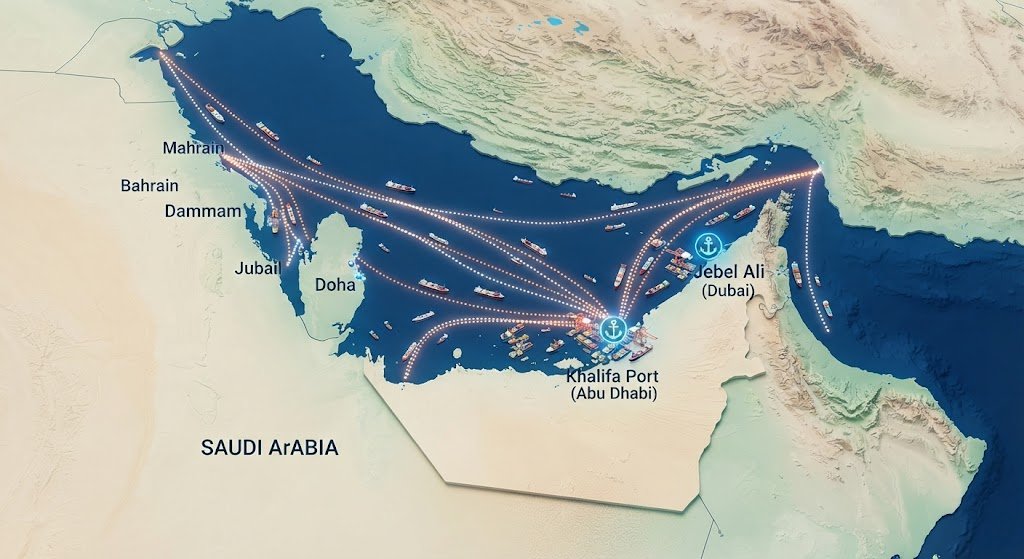
Businesses across the Gulf regularly move commercial goods between the UAE and other GCC markets. As a result, UAE to Gulf sea freight routes play an important role in regional supply chains. Sea freight can be a practical choice for businesses moving large, heavy, or non-urgent shipments. Depending on the destination and current carrier operations, cargo can move through major UAE ports such as Jebel Ali, Khor Fakkan, Fujairah, Khalifa Port, and other regional gateways. Current regional shipping networks also use combinations of sea freight and landbridge transportation to maintain Gulf connectivity when direct maritime routes are affected. Main UAE to Gulf Sea Freight Routes The UAE has several major ports that connect businesses with markets across the Arabian Gulf. Important UAE gateways include: Jebel Ali Port Khalifa Port Khor Fakkan Port Fujairah Port Sharjah Ports Sharjah Ports, for example, operates facilities on both the Arabian Gulf and UAE east coast and identifies Khor Fakkan as an important container transshipment hub. The best port depends on the destination, shipping line, cargo type, vessel schedule, and current operational conditions. UAE to Saudi Arabia Sea Freight Saudi Arabia is one of the most important Gulf markets for UAE exporters. Sea freight can connect UAE cargo with Saudi ports such as: Dammam Jubail Jeddah King Abdullah Port For shipments destined for eastern Saudi Arabia, Gulf and Arabian Sea routing options can be considered. For western Saudi Arabia, Jeddah and King Abdullah Port can provide access to the Red Sea side of the Kingdom. Current carrier networks also use multimodal landbridge solutions when direct Gulf routing is restricted or operationally unsuitable. UAE to Bahrain Sea Freight Route Bahrain is another important destination for UAE commercial cargo. A sea freight shipment can be planned toward Khalifa Bin Salman Port in Bahrain, depending on available carrier schedules and cargo requirements. Some regional services have historically connected UAE ports with Bahrain through Arabian Gulf feeder networks. For example, APL’s Jebel Ali–Middle East Express lists Bahrain Khalifa Bin Salman Port within its regional service network. For urgent or time-sensitive cargo, customers should confirm the current vessel schedule before booking because maritime schedules can change. UAE to Qatar Sea Freight Route Qatar is an important destination for UAE exporters and distributors. The main commercial gateway is Hamad Port, which handles container and general cargo operations. Depending on current carrier availability, UAE cargo may move through direct or feeder services. In some operational conditions, multimodal solutions can also combine maritime shipping with landbridge transportation. Current regional carrier updates show that cargo routing to Qatar can be adjusted through alternative gateways such as Salalah, Khor Fakkan, Jeddah, or other hubs depending on operational conditions. Therefore, the most suitable route should be confirmed when the shipment is booked. UAE to Kuwait Sea Freight Route Kuwait is another major Gulf market for commercial shipments. Common maritime destinations include: Shuwaikh Port Shuaiba Port A UAE shipment can be planned through available feeder and regional container services. APL’s Arabian Gulf service, for example, includes Jebel Ali and Shuwaikh in its network. For larger commercial shipments, FCL sea freight can provide dedicated container capacity. Smaller shipments can use LCL services where available. UAE to Oman Sea Freight Route Oman has several important ports that can support regional cargo transportation. Key destinations include: Sohar Salalah Duqm Oman can also act as a regional logistics hub when cargo is moved through alternative multimodal routes. Current regional logistics information identifies Sohar, Salalah, and Duqm as important maritime gateways, with Salalah also serving as a landbridge hub for GCC cargo in certain routing arrangements. Jebel Ali to Gulf Sea Freight Routes Jebel Ali Port is one of the most important starting points for regional sea freight from the UAE. Businesses can use Jebel Ali for shipments connecting with different Gulf destinations, subject to current shipping-line schedules and operational availability. Regional services have connected Jebel Ali with destinations including: Kuwait Bahrain Qatar Oman Saudi Arabia For example, APL’s Jebel Ali–Middle East Express currently lists Jebel Ali, Shuwaikh, Bahrain, Hamad, and Khalifa Port within its Arabian Gulf service pattern. Khor Fakkan and Fujairah Sea Freight The UAE’s east-coast ports can also play an important role in Gulf logistics. Khor Fakkan is particularly important for container transshipment and alternative routing. Sharjah Ports describes it as a container terminal and transshipment hub on the Arabian Sea. Fujairah is another important UAE maritime gateway. Current regional logistics updates have identified Fujairah and Khor Fakkan as active parts of alternative Gulf shipping and landbridge solutions. The choice between Jebel Ali, Khor Fakkan, Fujairah, Khalifa, or another gateway depends on the shipping line, destination, cargo type, and current operational situation. FCL Sea Freight from UAE to Gulf Countries Full Container Load (FCL) is suitable when the shipment requires a complete container. FCL can be useful for: Large commercial orders Wholesale goods Machinery Furniture Industrial equipment Retail inventory Construction materials Bulk cargo Depending on the cargo, customers may choose a 20-foot or 40-foot container, while specialized equipment may be required for oversized or temperature-sensitive goods. LCL Sea Freight from UAE to Gulf Countries Less Than Container Load (LCL) is designed for smaller shipments that do not require a complete container. With LCL, cargo from different customers can be consolidated into one container. This option can be suitable for: Small commercial shipments Cartons Pallets Spare parts Retail products Samples Business supplies LCL can help businesses avoid paying for unused container capacity. Door-to-Door Gulf Sea Freight Sea freight does not necessarily end at the destination port. A complete logistics solution can combine: Pickup → Export Documentation → Port Handling → Sea Freight → Destination Port → Customs Clearance → Inland Transportation → Final Delivery This type of multimodal service can be useful for businesses that want one coordinated logistics solution instead of arranging separate shipping and trucking companies. Current regional carrier solutions demonstrate how sea freight and landbridge transportation can be combined to maintain connections between Gulf markets. Customs Clearance for Gulf Sea Freight Customs documentation is an important

Doha to Sharjah freight

Doha to Sharjah Freight Services

Looking for reliable Doha to Sharjah freight services? Saif Cargo Shipping Services provides practical freight solutions for businesses and individuals moving goods from Doha, Qatar, to Sharjah, UAE. Whether you need to transport commercial products, furniture, machinery, spare parts, retail stock, household goods, or general cargo, a well-planned freight service can make cross-border transportation easier. Proper documentation, customs coordination, cargo handling, and route planning are important because the shipment travels through Saudi Arabia before entering the UAE. Doha to Sharjah Freight Route There is no direct land border between Qatar and the UAE. Therefore, road cargo from Doha to Sharjah normally travels through Saudi Arabia. The shipment crosses from Qatar into Saudi Arabia at the Abu Samra–Salwa border, travels across Saudi territory, and then enters the UAE through the Al Batha–Al Ghuwaifat border. A typical road freight route is: Doha → Abu Samra → Salwa → Saudi Arabia → Al Batha → Al Ghuwaifat → UAE → Sharjah The exact route and transit time can vary depending on cargo type, customs procedures, border activity, truck availability, and final delivery requirements. How Doha to Sharjah Freight Services Work A professional freight shipment generally involves several stages. 1. Cargo Pickup in Doha The shipment is collected from your warehouse, business, supplier, factory, or another agreed location in Doha. Before pickup, the freight team confirms the cargo type, number of packages, weight, dimensions, and Sharjah delivery address. 2. Packing and Loading Cargo should be packed according to its nature. Fragile products may need additional protection, while heavy machinery and oversized goods may require specialized loading equipment. The shipment is then loaded securely onto the appropriate truck. 3. Qatar to Saudi Arabia Transit The truck travels from Doha toward the Abu Samra border on the Qatar side and Salwa on the Saudi side. This is the first international border crossing on the road journey. Accurate transit documentation is important because the cargo is passing through Saudi Arabia rather than being delivered there. 4. Saudi Arabia Transit After entering Saudi Arabia, the shipment travels across the country toward the UAE border. Since Saudi Arabia is the transit country on this route, the cargo needs appropriate transit arrangements and consistent documentation. 5. Saudi Arabia to UAE Entry The truck approaches the Al Batha–Al Ghuwaifat crossing to enter the UAE. This is the main UAE–Saudi land crossing and is also used for cargo moving between the UAE and Qatar through Saudi Arabia. 6. Delivery in Sharjah After the required UAE customs procedures are completed, the cargo continues to the final delivery location in Sharjah. Depending on the service, delivery can be arranged to a warehouse, business, factory, residence, or another agreed location. Road Freight from Doha to Sharjah Road transportation is a practical option for many Doha to Sharjah freight shipments. It can be used for: Commercial products Retail inventory Furniture Household items Machinery Spare parts Industrial materials Construction supplies Business equipment General cargo Road freight also provides flexibility because customers can select shared or dedicated truck transportation based on shipment size. Full Truckload Freight from Doha to Sharjah For larger shipments, Full Truckload (FTL) freight can provide dedicated truck capacity. FTL can be suitable for: Large commercial shipments Bulk inventory Heavy equipment Machinery Large furniture orders Warehouse transfers Multiple pallets Industrial cargo A suitable truck should be selected according to the cargo’s weight, dimensions, loading requirements, and handling needs. LTL Freight from Doha to Sharjah Smaller shipments may not require an entire truck. Less Than Truckload (LTL) or consolidated freight can be a practical option for smaller quantities. With LTL, compatible shipments can share available truck space. This can help businesses avoid paying for unused truck capacity. LTL can be useful for: Small commercial orders Cartons Pallets Spare parts Retail products Business supplies Small furniture shipments The freight price normally depends on factors such as cargo weight, volume, dimensions, pickup location, delivery location, and handling requirements. Door-to-Door Doha to Sharjah Freight Customers looking for a convenient solution can choose door-to-door freight services where available. The service can coordinate the shipment from the pickup location in Doha through the required border crossings and onward to the final address in Sharjah. A typical process includes: Pickup in Doha Packing and loading Qatar export procedures Abu Samra–Salwa border transit Saudi Arabia transit Al Batha–Al Ghuwaifat UAE entry UAE customs procedures Final delivery in Sharjah This approach reduces the need to arrange separate transport providers for different parts of the journey. Customs Clearance for Doha to Sharjah Freight Customs documentation is especially important on this route because the shipment crosses Qatar, Saudi Arabia, and the UAE. The required documents depend on the cargo type, origin, value, destination, and applicable regulations. Common documents may include: Commercial invoice Packing list Transport document Certificate of origin where applicable Cargo description Shipper information Consignee information Product details Required permits or certificates For shipments transiting Saudi Arabia, the transit declaration and supporting documents should match the cargo details throughout the journey. This helps avoid unnecessary issues at the Saudi border. What Can You Send from Doha to Sharjah? Subject to applicable import and customs regulations, many types of approved cargo can be transported from Qatar to the UAE. Commercial Goods Businesses can transport retail products, wholesale inventory, packaged goods, tools, spare parts, and other commercial shipments. Furniture and Household Items Furniture, appliances, home accessories, and personal belongings can be moved with suitable packing and handling. Machinery and Equipment Industrial machinery, equipment, tools, and spare parts may require suitable trucks and loading arrangements. Construction and Industrial Cargo Project materials and industrial supplies can be transported according to their dimensions, weight, and applicable regulations. Doha to Sharjah Freight Transit Time Transit time depends on several factors, including cargo readiness, truck type, border processing, customs documentation, shipment size, and road conditions. Current freight information for UAE–Qatar road movements commonly places the overall road transit around 1–3 days for standard shipments, although actual delivery can take longer when border processing or documentation causes delays. For this reason, customers

Fujairah to Manama Cargo Services

Fujairah to Manama Cargo Services

Businesses in Fujairah and across the UAE often need reliable transportation for commercial goods, retail inventory, machinery, furniture, industrial supplies, and other shipments to Bahrain. Fujairah to Manama Cargo Services provide a practical solution for moving cargo from the UAE to Manama through an established GCC road freight network. Unlike UAE-to-Oman routes, road cargo from the UAE to Bahrain passes through Saudi Arabia before reaching Bahrain. The common freight route uses the UAE-Saudi border at Al Ghuwaifat, continues through Saudi Arabia, and then reaches Bahrain through the King Fahd Causeway. At Saif Cargo Shipping Services, we provide flexible cargo solutions for businesses that need secure handling, suitable transportation, customs coordination, and reliable delivery from Fujairah to Manama. Fujairah to Manama Freight Route The standard road freight route generally follows: Fujairah → UAE Road Network → Al Ghuwaifat → Al Batha → Saudi Arabia → Eastern Province → King Fahd Causeway → Bahrain → Manama Because Bahrain is connected to Saudi Arabia by the King Fahd Causeway, UAE road cargo must transit through Saudi Arabia before entering Bahrain. The route can vary depending on the cargo origin, truck type, destination, border procedures, and road conditions. For commercial shipments, proper documentation and transit arrangements are particularly important because the journey involves multiple customs stages. How Fujairah to Manama Cargo Works 1. Cargo Pickup in Fujairah The process begins with collecting the shipment from a warehouse, factory, business, supplier, or other agreed location in Fujairah. Before pickup, customers should provide: Cargo type Total weight Dimensions Number of packages Number of pallets Pickup location Manama delivery address Accurate shipment information helps the logistics team select suitable transportation. 2. Cargo Loading The shipment is loaded onto an appropriate truck. Depending on the cargo, transportation may involve: Standard cargo trucks FTL trucks LTL vehicles Flatbed trailers Container trucks Specialized equipment for heavy cargo Proper loading and securing help protect the shipment during the long GCC road journey. 3. UAE to Saudi Border The cargo travels from Fujairah toward the UAE-Saudi border at Al Ghuwaifat. Commercial road freight from the UAE to Bahrain commonly exits the UAE through Al Ghuwaifat and enters Saudi Arabia through Al Batha. 4. Saudi Arabia Transit After entering Saudi Arabia, the truck continues toward the Eastern Province. Since Saudi Arabia is a transit country on this route, the shipment must be prepared correctly for cross-border movement. 5. King Fahd Causeway The final international stage is the King Fahd Causeway, which connects Saudi Arabia with Bahrain. Cargo reaches Bahrain through the causeway before continuing toward Manama and other destinations. Bahrain’s official transport authorities regulate international goods transport across the causeway, including licensing requirements for companies operating commercial truck services. 6. Final Delivery in Manama After Bahrain customs procedures are completed, cargo can be delivered to: Manama Muharraq Riffa Sitra Industrial areas Warehouses Shops Offices Customer locations Fujairah to Manama Road Freight Road transportation is a practical option for commercial shipments moving between Fujairah and Bahrain. It can support: Retail inventory Wholesale goods Furniture Machinery Construction materials Automotive parts Industrial supplies Commercial equipment Road freight is especially useful when the shipment requires flexible pickup and direct delivery to a business or warehouse. Full Truck Load – FTL Full Truck Load (FTL) is suitable for larger shipments that require dedicated vehicle capacity. FTL can be useful for: Large commercial shipments Multiple pallets Machinery Industrial equipment Construction materials Wholesale inventory Heavy cargo A dedicated truck can provide better control over the shipment and reduce unnecessary cargo handling. Less Than Truck Load – LTL LTL freight is suitable for smaller shipments that do not require a complete truck. It can be useful for: Cartons Small pallets Retail products Electronics Furniture Spare parts Business supplies LTL can be a practical choice for businesses that want to move smaller quantities without booking an entire vehicle. Heavy Cargo from Fujairah to Manama Heavy or oversized shipments require additional planning. These may include: Industrial machinery Manufacturing equipment Construction equipment Steel products Factory machinery Large commercial goods Project cargo The appropriate truck or trailer should be selected according to the cargo’s weight, dimensions, loading requirements, and applicable transportation rules. For heavy shipments, customers should provide accurate dimensions and weight before booking so that suitable equipment can be arranged. Container Cargo from Fujairah to Bahrain Fujairah is an important maritime and logistics location, making container transportation another option for suitable shipments. Container cargo can be useful for: FCL shipments LCL shipments Industrial goods Large-volume commercial cargo Imported goods Export shipments Depending on the shipment requirements, cargo can be coordinated from a port or warehouse and transported toward Bahrain by road or through an appropriate sea freight arrangement. Customs Clearance for Fujairah to Manama Cargo Customs documentation is one of the most important parts of UAE-to-Bahrain cargo transportation. The road route involves: UAE Export Procedures → Al Ghuwaifat → Saudi Transit → King Fahd Causeway → Bahrain Customs → Final Delivery Common documents may include: Commercial invoice Packing list Certificate of origin where applicable Transport document Customs declaration HS code information Consignee details Product-specific certificates or permits where required Bahrain’s import process for land cargo includes customs declaration and supporting documentation at the King Fahd Causeway border customs point. Preparing the shipment file before dispatch can help reduce avoidable delays during border and customs processing. How to Prepare Your Fujairah to Manama Shipment Provide Accurate Cargo Details Share the correct: Weight Dimensions Quantity Cargo description Number of packages Prepare Commercial Documents Make sure the invoice and packing list accurately reflect the actual shipment. Confirm the Bahrain Receiver Provide the correct consignee name, contact details, and delivery address. Select the Right Vehicle The truck should match the shipment’s size, weight, and handling requirements. Plan the Route Because the shipment passes through Saudi Arabia before entering Bahrain, proper transit planning is important. Fujairah to Manama Cargo Transit Time Transit time can vary according to the cargo type, transportation method, border processing, customs procedures, and final delivery location. Current freight providers commonly quote approximately 1–4 working

Sharjah to Saudi Freight

Sharjah to Saudi Freight

Businesses in Sharjah regularly need to move commercial goods, machinery, retail inventory, construction materials, furniture, and industrial supplies to different cities across Saudi Arabia. Sharjah to Saudi Freight services provide a practical solution for transporting these shipments through established GCC road freight routes. Sharjah is an important manufacturing and logistics location in the UAE, with major industrial areas, Hamriyah Free Zone, SAIF Zone, Port Khalid, and Hamriyah Port supporting commercial activity. For businesses shipping to Saudi Arabia, road freight is often a suitable choice because it supports direct cargo transportation from the UAE to destinations such as Riyadh, Dammam, Jeddah, Khobar, and other Saudi cities. Freight providers operating on this corridor also offer FTL, LTL, container transport, and specialized equipment for different cargo requirements. At Saif Cargo Shipping Services, we provide dependable freight solutions for businesses looking for secure cargo handling, suitable truck capacity, cross-border transportation, and flexible delivery options. Sharjah to Saudi Road Freight Road transportation is one of the most practical methods for moving commercial cargo from Sharjah to Saudi Arabia. A typical UAE-Saudi road freight movement follows the general corridor: Sharjah → UAE Road Network → Al Ghuwaifat → Al Batha → Saudi Arabia → Final Destination Al Ghuwaifat is an official Abu Dhabi Customs center located in the Al Dhafrah Region on the Saudi border. From the UAE-Saudi border, cargo continues through Saudi Arabia toward the required destination. The exact internal route depends on the final city, cargo type, truck specifications, road conditions, and customs requirements. Sharjah to Saudi Freight Services At Saif Cargo Shipping Services, different transportation options can be arranged according to shipment size and requirements. Full Truck Load – FTL FTL freight is suitable when a shipment requires dedicated truck capacity. It can be useful for: Large commercial shipments Multiple pallets Machinery Industrial supplies Construction materials Wholesale inventory Heavy cargo Factory equipment A dedicated truck can provide better control over cargo handling and delivery scheduling. Less Than Truck Load – LTL LTL is suitable when the shipment does not require an entire truck. It can work well for: Small commercial shipments Pallets Retail products Electronics Furniture Automotive parts Business supplies For suitable cargo, shared truck capacity can help businesses manage transportation costs more efficiently. Saif Cargo also lists FCL and LCL options among its road cargo services for different shipment sizes. Sharjah to Riyadh Freight Riyadh is one of the most important destinations for UAE-Saudi commercial freight. Cargo from Sharjah can be transported by road through the UAE-Saudi land corridor and then onward to Riyadh. Common shipments include: Retail inventory Industrial equipment Machinery Construction supplies Furniture Automotive parts Commercial goods For regular business shipments, scheduled freight arrangements can help maintain a more consistent supply chain. Sharjah to Dammam Freight Dammam and the Eastern Province are important destinations for industrial and commercial cargo. Businesses may use freight services to transport: Industrial materials Machinery Spare parts Factory supplies Construction equipment Wholesale goods Road freight providers serving the UAE-Saudi corridor commonly cover Dammam and other Eastern Province locations. Sharjah to Jeddah Freight Jeddah is another major Saudi destination for UAE cargo. For some shipments, road freight provides direct overland transportation. Sea freight can also be considered for larger or less time-sensitive shipments. For example, route-planning data identifies both road and sea alternatives between Sharjah and Jeddah, with the best option depending on cost, timing, and cargo requirements. Heavy Cargo from Sharjah to Saudi Arabia Heavy and oversized cargo requires careful planning before transportation. Possible shipments include: Industrial machinery Manufacturing equipment Construction equipment Large steel products Heavy project materials Factory machinery The correct trailer should be selected according to the cargo’s weight, dimensions, loading method, and transportation requirements. Specialized road freight operators serving Sharjah and Saudi Arabia use equipment such as flatbeds, lowbed trailers, container trucks, and other specialized vehicles for different cargo types. Container Transportation from Sharjah to Saudi Arabia Containerized cargo can be transported from Sharjah logistics facilities or ports toward Saudi destinations. This service can be useful for: Import containers Export containers Commercial inventory Industrial materials FCL shipments Port-to-warehouse cargo Container movement can be arranged from port to warehouse or directly to a commercial destination depending on the shipment. Customs Clearance for Sharjah to Saudi Freight Customs documentation is an important part of cross-border freight. The logistics process may involve: Preparing cargo documents Preparing customs declarations Export processing in the UAE Truck crossing procedures Saudi customs clearance Cargo release Final delivery Abu Dhabi Customs has a pre-arrival clearance system at Al Ghuwaifat that allows required goods information and attachments to be submitted before the truck reaches the border. Truck crossing permits are also part of the process. Common shipment documents can include: Commercial invoice Packing list Certificate of origin Transport document Customs declaration HS code information Product-specific permits where required Correct documentation can help reduce avoidable customs delays. How to Prepare Your Sharjah to Saudi Shipment Before booking freight, provide accurate shipment information. Cargo Weight Mention the total shipment weight so the logistics team can recommend suitable truck capacity. Cargo Dimensions For large or oversized goods, provide length, width, and height. Number of Packages Mention the number of cartons, pallets, crates, or individual pieces. Cargo Type Clearly describe the goods being shipped. Pickup Location Provide the complete Sharjah pickup location, warehouse, factory, or business address. Saudi Delivery Location Mention the exact destination city and delivery address. These details help the logistics provider plan the vehicle, route, documentation, and delivery arrangement. Technology and Features Modern freight services can use technology to improve shipment coordination. Shipment Tracking GPS tracking can help customers monitor cargo movement during transportation. Some GCC road freight operators provide GPS tracking as part of their cross-border services. Digital Documentation Digital records make it easier to organize: Invoices Packing lists Customs documents Shipment details Delivery records Route Planning Route planning helps coordinate the Sharjah pickup, UAE transportation, border crossing, Saudi road journey, and final delivery. Delivery Updates Customers can receive updates during important stages of the shipment. Industries Using Sharjah to Saudi

UAE to Riyadh Cargo

UAE to Riyadh Cargo

UAE to Riyadh Cargo refers to transporting goods from Dubai, Abu Dhabi, Sharjah, Ajman, or other UAE locations to Riyadh, Saudi Arabia. Common cargo services include: Road freight Full Truck Load (FTL) Less Than Truck Load (LTL) Air cargo Commercial cargo Heavy cargo transportation Door-to-door delivery Warehouse-to-warehouse freight Customs and documentation support Road freight is commonly used for commercial shipments because it allows large cargo loads and flexible pickup and delivery arrangements. UAE to Riyadh Road Freight Route The main direct land freight corridor between the UAE and Saudi Arabia uses the Al Ghuwaifat border on the UAE side and Al Batha on the Saudi side. From there, cargo continues through Saudi Arabia toward Riyadh. A typical route is: UAE Pickup → Al Ghuwaifat → Al Batha → Saudi Arabia → Riyadh → Final Delivery Typical road transit estimates can vary. Recent freight guidance places UAE/Dubai-to-Riyadh road cargo at roughly 2–3 days, but actual delivery time depends on pickup location, customs clearance, border traffic, cargo type, and documentation. UAE to Riyadh Cargo Services At Saif Cargo Shipping Services, we provide flexible freight solutions based on cargo size, weight, urgency, and delivery requirements. Full Truck Load – FTL Cargo FTL is suitable for large shipments that require dedicated truck capacity. It can be useful for: Wholesale goods Industrial materials Construction supplies Machinery Large retail shipments Multiple pallets Heavy commercial cargo A dedicated truck can provide better control over the loading and delivery schedule. Less Than Truck Load – LTL Cargo LTL is suitable for shipments that do not require an entire truck. This option may be useful for: Small commercial shipments Palletized goods Retail inventory Furniture Electronics Automotive parts Business supplies By using shared truck capacity, businesses may find a more cost-effective solution for smaller loads. Heavy Cargo from UAE to Riyadh Heavy cargo transportation requires the correct truck or trailer according to the shipment’s weight, dimensions, and loading requirements. Suitable cargo may include: Industrial machinery Construction equipment Steel and project materials Manufacturing equipment Heavy commercial goods Proper vehicle selection and cargo securing are important for safe cross-border transportation. Air Cargo UAE to Riyadh Air freight can be a suitable option when delivery speed is more important than transportation cost. It may be useful for: Urgent shipments Documents Electronics Product samples Spare parts High-value commercial goods Road freight is generally more suitable for larger and heavier commercial shipments, while air cargo can support time-sensitive deliveries. Documents Required for UAE to Riyadh Cargo Correct documentation is essential for smooth Saudi customs processing. Depending on the shipment, documents may include: Commercial invoice Packing list Certificate of origin where applicable Bill of lading or transport document Customs declaration Product HS codes SABER or other conformity requirements for regulated products Saudi Arabia’s Zakat, Tax and Customs Authority states that import documentation includes a commercial invoice, bill of lading, and certificate of origin where required, while additional requirements can apply depending on the product. It also requires customs procedures to be completed through the relevant clearance process before arrival. How to Avoid Delays in UAE to Riyadh Freight Proper planning can make cross-border transportation more efficient. Prepare Documents Before Pickup Incorrect or incomplete documentation can delay customs processing. Check product-specific requirements before dispatch. Provide Accurate Cargo Information Before booking, provide: Total weight Cargo dimensions Number of packages or pallets Cargo description UAE pickup location Riyadh delivery location Preferred loading date Choose the Right Truck The selected vehicle should match the cargo’s weight, size, and handling requirements. Plan Ahead For large, urgent, or regulated shipments, advance planning can help with vehicle scheduling and customs preparation. Technology and Features Modern logistics systems can improve cargo visibility and coordination. Shipment Tracking Tracking services can help customers follow shipment movement and customs status. Saudi Arabia’s ZATCA also provides a shipment-tracking service using relevant shipment or customs declaration information. Digital Documentation Digital records can help organize: Commercial invoices Packing lists Customs documents Cargo information Delivery records Route Planning Efficient route planning helps coordinate UAE pickup, border movement, Saudi customs procedures, and delivery in Riyadh. Delivery Updates Regular shipment updates can improve communication throughout the transportation process. Industries Using UAE to Riyadh Cargo Services Retail and Wholesale Businesses can transport inventory from UAE suppliers and warehouses to Riyadh stores and distributors. Construction Construction companies can move building materials, equipment, tools, and project supplies. Manufacturing Manufacturers can transport raw materials, machinery, components, and finished products. Automotive Automotive businesses can move spare parts, tires, components, and workshop equipment. Furniture Industry Furniture suppliers can transport commercial and bulk shipments from the UAE to Riyadh. E-commerce and Distribution E-commerce companies and distributors can use cargo services for warehouse replenishment and commercial inventory movement. Trading Companies Importers, exporters, wholesalers, and distributors can use UAE-to-Riyadh freight services to support GCC trade. Benefits of UAE to Riyadh Cargo Professional freight services can offer: Reliable cross-border transportation FTL and LTL options Heavy cargo support Door-to-door delivery Air and road freight options Secure cargo handling Shipment tracking Documentation assistance Customs coordination Flexible pickup and delivery Better supply chain planning Why Choose Us – Saif Cargo Shipping Services in UAE At Saif Cargo Shipping Services, we provide dependable UAE to Riyadh Cargo solutions for businesses and commercial shipments. Why Choose Saif Cargo? UAE to Saudi Arabia freight solutions UAE to Riyadh road cargo FTL and LTL transportation Commercial cargo handling Heavy cargo transportation Air freight coordination Door-to-door delivery Secure shipment handling Cross-border logistics support Documentation assistance Customs coordination Shipment tracking Flexible pickup and delivery Experienced logistics professionals Our goal is to provide a reliable freight solution based on your cargo type, weight, dimensions, pickup location, and Riyadh delivery requirements. Contact Saif Cargo Shipping Services Looking for reliable UAE to Riyadh Cargo services? 🌐 Website: https://saifcargouae.com/ 📱 Quick WhatsApp Booking: https://wa.me/971554050258 📞 Call / WhatsApp: +971 55 405 0258 📘 Facebook: https://www.facebook.com/share/1GbmamHChf/ Contact our logistics specialists today for a customized freight solution based on your cargo type, weight, dimensions, UAE pickup location, and Riyadh delivery address.

Daily Oman to UAE 25 Ton Cargo

Daily Oman to UAE 25 Ton Cargo

Businesses that move large quantities of goods between Oman and the UAE need a freight service that offers regular departures, suitable heavy trucks, secure cargo handling, and dependable cross-border transportation. Daily Oman to UAE 25 Ton Cargo services are designed for companies that need to move large commercial shipments regularly rather than booking transportation only when required. A 25-ton shipment can include industrial materials, machinery, construction supplies, retail inventory, pallets, equipment, and other commercial goods. Road freight is a practical option for Oman-UAE transportation because the two countries have established commercial land crossings, including Hatta, Al Ain-Buraimi, and Khatmat Malaha. At Saif Cargo Shipping Services, we provide Oman-to-UAE cargo solutions for businesses requiring regular transportation, full truck loads, heavy cargo movement, and door-to-door delivery. What Is Daily Oman to UAE 25 Ton Cargo? Daily Oman to UAE 25 Ton Cargo refers to regular transportation of large commercial shipments weighing around 25 tons from Oman to destinations throughout the UAE. Daily freight arrangements can be useful for businesses with recurring supply requirements. Instead of arranging a truck separately for every shipment, companies can discuss a regular transportation schedule based on their expected cargo volume. Common cargo includes: Industrial materials Construction supplies Machinery and equipment Retail inventory Wholesale goods Furniture Automotive products Manufacturing materials Palletized commercial cargo General freight The exact truck and trailer should be selected according to the cargo’s weight, dimensions, loading method, and applicable road regulations. Daily Oman to UAE Road Freight Road transportation is one of the most practical options for recurring Oman-UAE cargo movements. Commercial shipments can use established border crossings depending on their origin and UAE destination. For example, Khatmat Malaha is an important Oman-UAE border crossing serving road freight, while the Hatta and Al Ain-Buraimi corridors can be suitable for other routes. Sharjah Customs confirms that Khatmat Malaha provides customs services for road freight and operates around the clock. A typical shipment follows: Oman Pickup → Oman Customs → UAE Border → UAE Customs → UAE Delivery The exact route depends on the cargo origin and destination. 25 Ton Full Truck Load from Oman to UAE A 25-ton shipment will generally require an appropriate heavy commercial vehicle rather than a small delivery truck. Full Truck Load (FTL) is suitable when the shipment requires dedicated truck capacity. It can provide: Dedicated transportation Direct cargo movement Better control over loading Suitable capacity for large shipments Flexible pickup arrangements Door-to-door delivery options The actual permissible load depends on the vehicle configuration and applicable regulations. UAE regulations specify maximum gross weights according to the number of axles, so cargo weight should always be matched to a compliant vehicle. Daily Cargo Routes from Oman to UAE Regular freight can be arranged between multiple Oman and UAE locations. Muscat to Dubai A common commercial route for businesses moving goods between Oman’s capital and Dubai. Muscat to Abu Dhabi Suitable for companies supplying businesses, warehouses, and industrial facilities in Abu Dhabi. Sohar to UAE Sohar is an important industrial and logistics location, making it suitable for regular commercial cargo movement. Oman to Sharjah The Khatmat Malaha corridor can be particularly relevant for cargo moving between northern Oman and the Northern Emirates. Sharjah introduced a logistics-corridor measure in 2026 that exempts qualifying Oman cargo trucks using approved routes through Khatmat Malaha and Al Madam from truck toll-gate fees in Sharjah. Oman to Ajman and Fujairah Regular road freight can also support commercial shipments destined for Ajman, Fujairah, and other UAE locations. Benefits of Daily Oman to UAE Cargo Businesses with recurring freight requirements can benefit from a planned transportation arrangement. Regular Truck Availability A scheduled freight arrangement can make it easier to plan recurring shipments. Better Supply Chain Planning Regular transportation helps businesses maintain inventory levels and coordinate deliveries with warehouses and customers. Suitable for Large Shipments A 25-ton load is appropriate for businesses moving significant quantities of commercial goods. Door-to-Door Transportation Cargo can be collected from the required location in Oman and delivered to a warehouse, business, project site, or other approved destination in the UAE. Reduced Handling Dedicated full-truck transportation can reduce unnecessary cargo transfers compared with multiple smaller shipments. How to Make 25 Ton Oman-UAE Freight Efficient Several factors can help keep recurring shipments organized. Prepare Documents Before Pickup Correct customs documentation can help reduce avoidable delays at the border. Common documents may include: Commercial invoice Packing list Certificate of origin Transport waybill Customs declaration Product HS codes Required permits where applicable Dubai Customs has also introduced a 2026 Green Corridor arrangement for certain Dubai-Oman cargo movements through Al Wajajah and Hatta, with customs procedures and required documentation specified for qualifying shipments. Plan Regular Loading Dates Businesses should share expected weekly or daily cargo volumes so transportation can be planned in advance. Select the Correct Truck The truck and trailer should match the cargo’s weight, dimensions, loading method, and applicable regulations. Use the Appropriate Border The most efficient border depends on the shipment’s origin and UAE destination. Technology and Features Modern road freight operations can use technology to improve cargo visibility and coordination. GPS Shipment Tracking Tracking systems can help monitor truck movement during transportation. Digital Documentation Digital records make it easier to organize invoices, packing lists, customs information, and shipment details. Route Planning Route planning helps coordinate pickup, border crossing, and final delivery. Delivery Updates Customers can receive updates regarding pickup, transit, border processing, and delivery. Fleet Coordination For businesses requiring frequent shipments, coordinated truck scheduling can help maintain regular cargo movement. Industries Using 25 Ton Oman to UAE Cargo Daily heavy freight services can support many industries. Construction Construction companies can transport building materials, equipment, machinery, and project supplies. Manufacturing Manufacturers can move raw materials, components, production equipment, and finished products. Retail and Wholesale Large retailers and wholesalers can replenish inventory through regular truckloads. Industrial Businesses Industrial companies can transport machinery, tools, equipment, and production materials. Automotive Automotive companies can move spare parts, components, tires, and workshop supplies. Furniture Furniture manufacturers and distributors can use full truck

Call Call WhatsApp WhatsApp