UAE to Muscat Cargo Deals
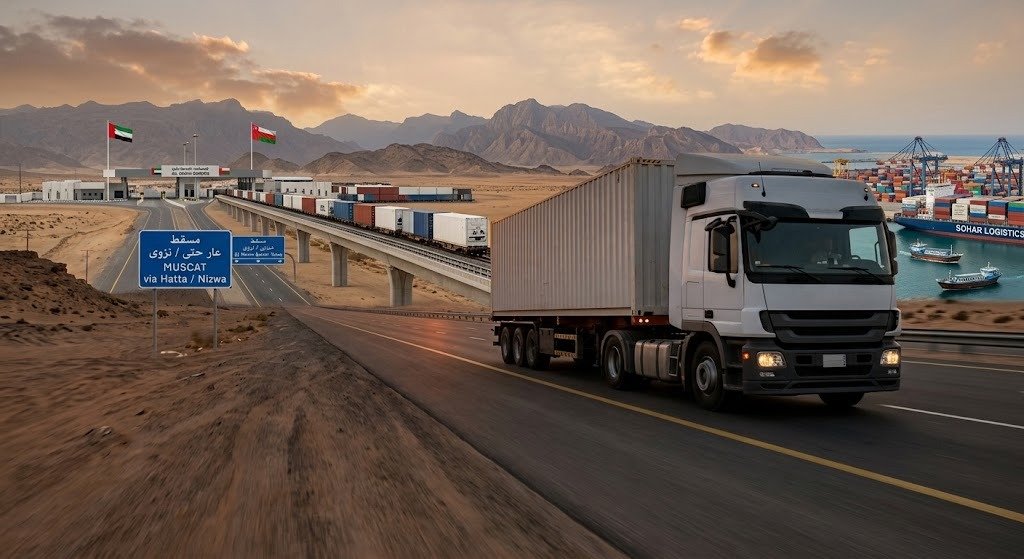
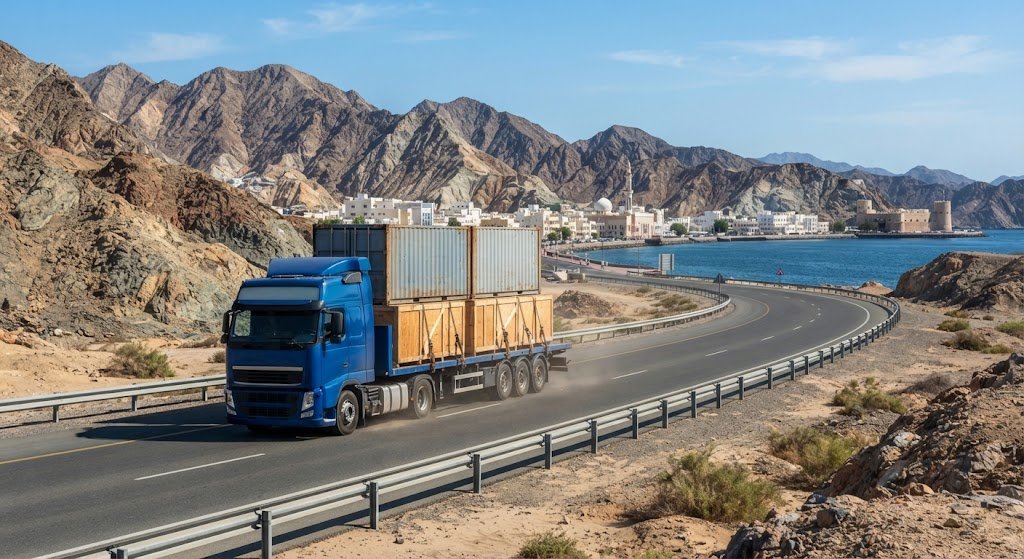
Meta Description: Get reliable UAE to Muscat cargo deals for commercial and personal shipments. Saif Cargo offers road freight, LTL, FTL, customs coordination, and door-to-door delivery. Looking for reliable UAE to Muscat cargo deals? Saif Cargo Shipping Services provides practical and affordable cargo solutions for businesses and individuals sending goods from the UAE to Muscat, Oman. Whether you are shipping commercial products, furniture, household items, machinery, spare parts, retail stock, or general cargo, choosing the right freight option can help control transportation costs. With suitable cargo planning, customers can select shared or dedicated truck services according to their shipment size. UAE to Muscat Cargo Route Road freight is one of the most practical ways to move cargo from the UAE to Muscat. For shipments from Dubai and nearby areas, the Hatta–Al Wajajah crossing is a commonly used direct UAE–Oman land route. Current 2026 route information identifies Hatta–Al Wajajah as a major crossing for Dubai-to-Oman road cargo. A typical route can be: UAE Pickup → Hatta Border → Al Wajajah → Oman → Muscat → Final Delivery The actual route can change according to the pickup city, cargo type, truck requirements, border conditions, and final delivery address. Why Look for UAE to Muscat Cargo Deals? Businesses often send cargo to Oman regularly. Therefore, getting a suitable freight deal can make a significant difference to overall logistics costs. Affordable cargo options can be especially useful for: Small business shipments Retail inventory Wholesale products Furniture Household goods Spare parts Machinery Construction supplies E-commerce orders Regular commercial cargo Instead of paying for an entire truck when you only have a few cartons or pallets, you can consider LTL or consolidated cargo. UAE to Muscat LTL Cargo Deals Less Than Truckload (LTL) is a practical option for smaller shipments. With LTL cargo, your shipment uses part of the available truck capacity instead of requiring a dedicated truck. This can help reduce transportation costs when the cargo does not fill an entire vehicle. LTL can be suitable for: Cartons Pallets Small furniture shipments Retail products Electronics Auto parts Business supplies General cargo Your quotation normally depends on cargo weight, volume, dimensions, pickup location, delivery address, and handling requirements. UAE to Muscat FTL Cargo Deals For larger shipments, Full Truckload (FTL) can be a better option. FTL gives your shipment dedicated truck space and can provide greater control over loading and delivery planning. FTL is suitable for: Large commercial shipments Wholesale inventory Heavy machinery Construction materials Factory equipment Large furniture orders Multiple pallets Bulk cargo The right truck should be selected according to the cargo weight, dimensions, loading method, and delivery requirements. Affordable Dubai to Muscat Cargo Dubai is an important commercial center for UAE–Oman trade. As a result, Dubai to Muscat cargo is a frequently used freight route. Current logistics sources describe road freight as a major option on the UAE–Oman corridor, with both LTL and FTL services available. For customers searching for affordable cargo deals, the best option depends on the shipment rather than simply choosing the lowest advertised price. For example: Small shipments may benefit from LTL. Large shipments may benefit from FTL. Urgent shipments may require priority transportation. Fragile cargo may require additional packing. Heavy cargo may require specialized equipment. Therefore, providing complete shipment details is important before requesting a quote. UAE to Muscat Cargo Transit Time Transit time depends on the pickup location, selected service, border processing, customs requirements, cargo type, and final delivery location. For Dubai-origin road freight, current logistics sources give typical road transit estimates ranging from roughly one day to two days, although actual delivery can vary. For this reason, customers should confirm the expected transit time when booking their shipment rather than relying on a fixed delivery promise. Customs Clearance for UAE to Muscat Cargo Customs documentation is an important part of cross-border cargo transportation. Depending on the shipment, commonly required documents can include: Commercial invoice Packing list Certificate of origin where applicable Transport waybill Consignee information Shipper information Product details Required permits or certificates Current UAE–Oman freight guidance highlights commercial invoices, packing lists, certificates of origin, and transport documents among the key documentation used for customs processing. Providing accurate documents before dispatch can help reduce avoidable delays at the border. Door-to-Door UAE to Muscat Cargo Customers who want a simple shipping process can choose door-to-door cargo services where available. With door-to-door transportation, the freight company coordinates the shipment from the pickup point in the UAE to the agreed delivery location in Muscat. The process may include: Pickup from your UAE location Cargo loading Transportation to the UAE–Oman border Customs coordination Transportation through Oman Final delivery in Muscat This option is particularly useful for businesses that do not want to arrange separate transportation for different stages. What Can You Send from UAE to Muscat? Saif Cargo can help arrange transportation for many approved cargo categories. Commercial Goods Retail products, wholesale stock, packaged goods, and business supplies can be transported from the UAE to Muscat. Furniture and Household Items Furniture, appliances, home accessories, and personal belongings can be shipped with suitable packing and handling. Machinery and Spare Parts Businesses can arrange transportation for machinery, tools, automotive parts, and industrial equipment according to applicable regulations. Construction Materials Construction and project-related materials can be transported using appropriate truck capacity and handling arrangements. How to Get the Best UAE to Muscat Cargo Deal A good freight deal is not always the lowest advertised price. Instead, compare the complete service according to your shipment requirements. Before requesting a quotation, provide: Pickup city Delivery location in Muscat Cargo type Number of packages Weight Dimensions Commercial or personal shipment status Required delivery timeframe Special handling requirements This information helps the freight team determine whether LTL, FTL, or another transportation option is more suitable. Benefits of UAE to Muscat Cargo Services Cost-Effective Transportation LTL and consolidated cargo can be useful for customers who do not need an entire truck. Flexible Truck Options FTL services can provide dedicated capacity for larger shipments. Direct Land Connectivity The