UAE to Gulf Sea Freight Network

UAE to Gulf Sea Freight Network

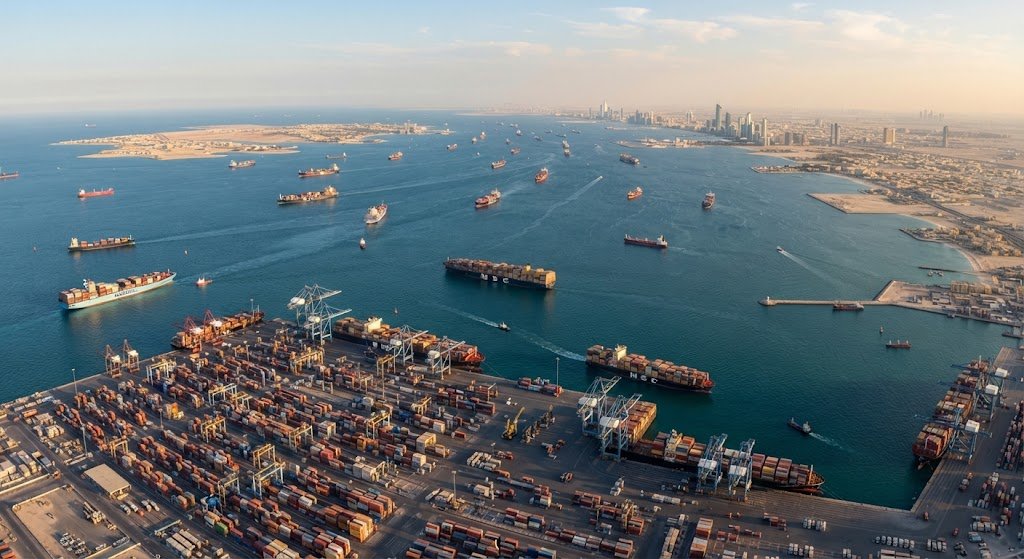
The UAE to Gulf sea freight network plays an important role in connecting businesses across the GCC. Companies use sea freight to move commercial goods, industrial materials, machinery, retail products, containers, and other cargo between the UAE and major Gulf markets. The UAE has several important maritime gateways, including Jebel Ali, Khalifa Port, Khor Fakkan, Fujairah, and Sharjah Ports. Depending on the destination, cargo can move through direct sea services, feeder networks, transshipment points, or combined sea and landbridge solutions. For businesses shipping to Saudi Arabia, Bahrain, Qatar, Kuwait, or Oman, choosing the right port and transportation method can help manage delivery schedules, documentation, customs procedures, and transportation costs. What Is the UAE to Gulf Sea Freight Network? The UAE to Gulf sea freight network refers to the connected maritime and logistics routes used to transport cargo from UAE ports to destinations across the Arabian Gulf and nearby regional gateways. A shipment may follow a simple port-to-port route or use multiple transportation stages. For example, cargo can be discharged at an alternative UAE port and then transported by truck or feeder service to another Gulf destination. Current logistics networks also use multimodal solutions combining sea freight, land transportation, feeder vessels, bonded trucking, and transshipment. Major UAE Ports for Gulf Sea Freight Jebel Ali Port Jebel Ali is a major UAE gateway for containerized cargo and regional distribution. It can be used as a starting point for shipments serving several GCC markets, depending on available carrier schedules and operational conditions. Cargo moving through Jebel Ali may connect with regional feeder services or continue through landbridge arrangements. Khalifa Port Khalifa Port in Abu Dhabi is another important gateway for container and commercial cargo. It supports UAE supply chains and can form part of wider regional maritime and multimodal networks. Khor Fakkan Port Khor Fakkan is particularly important for container transshipment and alternative routing. Its location on the UAE’s east coast makes it useful for certain Gulf and international shipping arrangements. Recent regional logistics networks have increased the role of Khor Fakkan as an alternative gateway, including connections with Jebel Ali and onward GCC landbridge transportation. Fujairah Port Fujairah provides another strategic UAE maritime gateway outside the traditional Gulf route. It can support alternative routing and multimodal cargo solutions when required. Regional logistics operators have used Fujairah together with Khor Fakkan, Sohar, Salalah, and Jeddah to maintain cargo connectivity during changing maritime conditions. UAE to Saudi Arabia Sea Freight Saudi Arabia is one of the major destinations within the wider UAE to Gulf freight network. Cargo can be planned toward Saudi ports such as: Dammam Jubail Jeddah King Abdullah Port For eastern Saudi Arabia, Gulf-related routes can be considered, while Jeddah and King Abdullah Port provide access to the Red Sea side of Saudi Arabia. Where direct maritime routing is unavailable or unsuitable, multimodal solutions can combine sea freight with landbridge transportation. Current carrier networks also use Jeddah and other gateways as part of regional alternatives. UAE to Bahrain Sea Freight Bahrain is another important destination within the regional freight network. Shipments can be routed toward Khalifa Bin Salman Port, depending on carrier schedules, cargo type, and current operational availability. Bahrain can also be connected through feeder and multimodal arrangements. For commercial shipments, businesses may choose FCL for full-container cargo or LCL when the shipment does not require a complete container. Because vessel schedules and regional operating conditions can change, current sailing availability should be confirmed before booking. UAE to Qatar Sea Freight Qatar is also connected to the broader Gulf maritime network through its major gateway at Hamad Port. Businesses shipping from the UAE may use containerized sea freight for commercial cargo, machinery, equipment, retail goods, and other suitable shipments. Depending on the current carrier network, cargo may move through direct or feeder services, while alternative multimodal routes can combine UAE port handling with land transportation. UAE to Kuwait Sea Freight Kuwait provides access to the northern Gulf market through ports such as Shuwaikh and Shuaiba. Sea freight can be useful for larger commercial consignments that are not highly time-sensitive. Depending on the shipping service, cargo may travel through feeder networks or use multimodal arrangements involving other regional gateways. Current logistics providers continue to develop alternative GCC routing solutions involving UAE ports, Oman, Saudi Arabia, and other regional gateways. UAE to Oman Sea Freight Oman is an important part of the UAE to Gulf sea freight network, with major maritime gateways including: Sohar Salalah Duqm Sohar is particularly relevant for Gulf-region cargo, while Salalah provides access to wider Indian Ocean and international shipping networks. Alternative routing through Oman can also support GCC cargo movement when traditional Gulf shipping routes face operational restrictions. FCL and LCL Sea Freight Businesses can select different container solutions depending on shipment volume. FCL Sea Freight Full Container Load (FCL) is suitable when a company has enough cargo to use most or all of a container. Benefits include: Dedicated container capacity Reduced cargo handling Better suitability for large shipments More control over container loading Suitable for regular commercial cargo LCL Sea Freight Less than Container Load (LCL) is useful for smaller shipments that do not require a complete container. With LCL, cargo from different shippers may share container space. This can provide a practical option for businesses shipping smaller quantities. Door-to-Door Gulf Sea Freight A complete UAE to Gulf sea freight network does not have to stop at the destination port. Door-to-door logistics can include: Pickup from the UAE warehouse Cargo inspection and preparation Export documentation Transportation to the departure port Container loading Sea transportation Destination port handling Customs clearance Inland transportation Final delivery This integrated approach gives businesses one coordinated logistics process instead of arranging each stage separately. Customs Clearance and Documentation International Gulf shipments require accurate documentation. Depending on the shipment and destination, common documents may include: Commercial invoice Packing list Bill of lading Certificate of origin Export documentation Import documentation Customs declarations Product-specific permits where applicable Correct product descriptions, quantities, values, weights, and consignee


Jeddah to Abu Dhabi Freight Path

Jeddah to Abu Dhabi Freight Path

The Jeddah to Abu Dhabi freight path is an important logistics route for businesses moving commercial goods between Saudi Arabia and the UAE. Companies may need to transport retail products, industrial materials, machinery, furniture, construction supplies, automotive parts, and other commercial shipments from Jeddah to Abu Dhabi. Choosing the right transportation method is important for managing delivery time, cargo safety, and shipping costs. Depending on the cargo type, weight, urgency, and budget, shipments can move through road freight, sea freight, or air freight. At Saif Cargo Shipping Services, we provide reliable freight solutions for businesses looking for organized transportation between Saudi Arabia and the UAE. Our services can support commercial cargo, heavy shipments, Full Truck Load, Less Than Truck Load, and door-to-door delivery requirements. Jeddah to Abu Dhabi Road Freight Path Road freight is a practical option for businesses that need direct transportation from Jeddah to Abu Dhabi. The journey begins with cargo pickup in Jeddah. The truck then travels through Saudi Arabia toward the eastern region and the Al Batha border crossing. After Saudi export and border procedures, the shipment enters the UAE through Al Ghuwaifat in Abu Dhabi. Once customs procedures are completed, the cargo can continue to: Abu Dhabi city Mussafah Khalifa Industrial Zone Musaffah warehouses Khalifa City Al Ain Industrial areas Customer warehouses Commercial facilities Project sites This route is suitable for many types of commercial road freight. How Does the Jeddah to Abu Dhabi Freight Path Work? The freight process generally includes several important stages. 1. Cargo Pickup in Jeddah The logistics process starts with collecting the shipment from the supplier, warehouse, factory, business location, or another approved pickup point in Jeddah. Before transportation begins, the cargo details should be confirmed, including: Total weight Cargo dimensions Number of packages Number of pallets Type of goods Pickup location Abu Dhabi delivery location Accurate information helps select the right truck and transportation arrangement. 2. Cargo Loading The shipment is loaded onto a suitable vehicle according to its size and weight. Different types of vehicles may be required for: Palletized goods Heavy cargo Industrial equipment Machinery Construction materials Retail inventory Large commercial shipments Proper loading and cargo securing are important for safe transportation during the long road journey. 3. Road Transportation Through Saudi Arabia After loading, the truck travels from Jeddah through Saudi Arabia toward the UAE border. The exact internal route may vary depending on: Truck type Cargo type Road regulations Delivery schedule Traffic conditions Border requirements For this reason, the logistics provider plans the most suitable route based on the individual shipment. 4. Al Batha Border Processing The cargo reaches the Saudi Arabia side of the UAE-Saudi border at Al Batha. The shipment may go through export and customs procedures before crossing into the UAE. Proper documentation is important at this stage to reduce unnecessary delays. 5. Al Ghuwaifat Border Entry After leaving Saudi Arabia, the truck enters the UAE through Al Ghuwaifat in Abu Dhabi. Cargo may then go through UAE customs procedures and other required clearance processes. Once the shipment is cleared, it can continue toward the final delivery destination. 6. Final Delivery in Abu Dhabi The final stage is delivery to the customer’s selected location. This may include: Business premises Warehouse Distribution center Industrial facility Retail location Construction site Commercial project Customer address Jeddah to Abu Dhabi Full Truck Load Services Full Truck Load, or FTL, is suitable for businesses with large shipments that require dedicated truck capacity. FTL can be useful for: Large commercial cargo Multiple pallets Wholesale goods Construction materials Industrial supplies Machinery Manufacturing equipment Furniture shipments With a dedicated truck, the shipment can move according to the planned transportation schedule without sharing vehicle space with unrelated cargo. This option can provide better control over cargo handling and delivery arrangements. Jeddah to Abu Dhabi LTL Freight Less Than Truck Load, or LTL, is suitable for shipments that do not require an entire truck. Instead of booking a full vehicle, customers can use available truck capacity for smaller shipments. LTL can be suitable for: Small commercial cargo Pallets Retail products Automotive parts Electronics Business supplies Furniture Wholesale inventory For suitable shipments, this option can help businesses manage transportation costs. Heavy Cargo from Jeddah to Abu Dhabi Some shipments require special transportation planning because of their size or weight. Heavy cargo may include: Industrial machinery Manufacturing equipment Construction materials Large commercial goods Project cargo Heavy equipment Steel products The correct truck or trailer should be selected according to the cargo specifications. Proper planning is particularly important for heavy shipments because vehicle capacity, loading requirements, and applicable transportation regulations must be considered before dispatch. Sea Freight from Jeddah to Abu Dhabi Sea freight can be another option for businesses transporting containerized or high-volume cargo. Jeddah is a major maritime and logistics hub, making it suitable for international and regional shipping operations. Sea freight may be suitable for: Full Container Load Less than Container Load Large-volume cargo Heavy commercial shipments Bulk goods Non-urgent cargo Businesses can choose sea freight when shipment cost and cargo volume are more important than the fastest possible transit time. Air Freight from Jeddah to Abu Dhabi Air freight is suitable for shipments where speed is a major priority. This service can be useful for: Urgent documents Product samples Electronics Spare parts High-value commercial cargo Time-sensitive shipments Although air freight can offer faster transportation, it may not be the most economical option for large and heavy cargo. Therefore, businesses should compare the shipment’s urgency, weight, and budget before selecting air freight. Documents Required for Jeddah to Abu Dhabi Freight Proper documentation is important for smooth cross-border cargo movement. Depending on the shipment, documents may include: Commercial invoice Packing list Certificate of origin Transport document Customs declaration HS codes Import documentation Export documentation Product-specific permits where required The required documents can vary depending on the cargo type and applicable customs regulations. Preparing documents before the truck begins its journey can help reduce unnecessary delays. Technology and Features for Better Freight Management

Call Call WhatsApp WhatsApp