
fulfillment center UAE

fulfillment center UAE

A fulfillment center UAE plays a vital role in modern logistics by helping businesses store, manage, and deliver products efficiently. Companies that sell products online or distribute goods across the Gulf region rely on fulfillment centers to streamline operations, reduce delivery times, and improve customer satisfaction. A professional fulfillment center handles inventory storage, order processing, packaging, and shipping under one integrated system. At Saif Cargo, we provide reliable fulfillment center UAE solutions that support eCommerce businesses, wholesalers, and distributors with fast and accurate order fulfillment. For complete logistics and cargo services, visit our homepage: ๐Ÿ‘‰ https://saifcargouae.com/ What is a Fulfillment Center UAE? A fulfillment center UAE is a warehouse facility where businesses store products and outsource order processing operations. When customers place orders, the fulfillment center picks, packs, and ships the products directly to the customer. Unlike traditional warehousing, fulfillment centers focus on fast order processing and last-mile delivery. They support businesses by handling logistics operations efficiently. Core functions include: Inventory storage and management Order picking and packing Shipping and delivery coordination Returns handling and reverse logistics Real-time inventory tracking Saif Cargo offers complete fulfillment services designed to meet the needs of modern businesses. How Fulfillment Centers Work in the UAE A fulfillment center UAE follows a structured workflow to process orders quickly and accurately. 1. Inventory Receiving The fulfillment center receives products from suppliers and stores them in designated warehouse locations. 2. Inventory Management The system tracks stock levels in real time to prevent shortages or overstocking. 3. Order Processing When a customer places an order, the system automatically sends it to the warehouse. 4. Picking and Packing Warehouse staff pick the ordered items and pack them securely for shipping. 5. Shipping and Delivery The fulfillment center arranges delivery through courier or freight services. 6. Returns Management The center handles returns and restocks items when necessary. Saif Cargo ensures that each step runs smoothly to deliver a seamless customer experience. Benefits of Using a Fulfillment Center UAE A fulfillment center UAE provides several advantages for businesses that want to scale operations and improve logistics efficiency. Faster Delivery Fulfillment centers enable quick shipping across the UAE and GCC region. Cost Efficiency Outsourcing fulfillment reduces warehouse, staffing, and operational costs. Scalability Businesses can handle higher order volumes without expanding infrastructure. Inventory Control Real-time tracking improves stock visibility and management. Customer Satisfaction Fast and accurate deliveries enhance customer experience. Saif Cargo helps businesses achieve these benefits with reliable fulfillment solutions. Types of Businesses That Use Fulfillment Centers Many industries rely on fulfillment center UAE services to manage their logistics operations efficiently. Common sectors include: eCommerce stores Retail and wholesale businesses Electronics and gadget suppliers Fashion and apparel brands FMCG distributors Health and beauty product companies Each business type requires tailored fulfillment solutions. Saif Cargo provides customized services based on business needs. Key Features of a Fulfillment Center UAE A modern fulfillment center UAE includes advanced systems and infrastructure to ensure efficient operations. Key features include: Warehouse management systems (WMS) Barcode scanning and tracking Automated order processing Secure storage facilities Real-time reporting and analytics Integrated shipping solutions These features help businesses maintain accuracy, speed, and efficiency in their supply chain. Integration with eCommerce Platforms A fulfillment center UAE integrates with popular eCommerce platforms to automate order processing. Businesses can connect their online stores to the fulfillment system, allowing: Automatic order syncing Real-time inventory updates Faster order processing Reduced manual errors Saif Cargo supports integration with various platforms to streamline operations for online businesses. Challenges in Fulfillment Operations Businesses may face challenges when managing fulfillment center UAE operations without professional support. Common challenges include: Inventory mismanagement Delayed order processing High shipping costs Returns handling issues Lack of real-time tracking A professional fulfillment partner helps overcome these challenges by providing efficient systems and experienced staff. Why Choose Saif Cargo for Fulfillment Center UAE? Choosing the right logistics partner is essential for efficient fulfillment operations. Saif Cargo provides reliable fulfillment center UAE services designed for growing businesses. Our advantages include: Advanced warehouse management systems Accurate order processing Fast shipping and delivery Competitive pricing Real-time inventory tracking Integrated logistics solutions We manage your fulfillment operations so you can focus on sales and business growth. Stay connected with us here: ๐Ÿ‘‰ https://www.facebook.com/share/1GbmamHChf/ Fulfillment Center UAE for GCC Distribution A fulfillment center UAE also supports regional distribution across GCC countries. Businesses can store products in the UAE and ship orders to Saudi Arabia, Qatar, Kuwait, Bahrain, and Oman. This approach offers: Faster regional delivery Reduced shipping costs Centralized inventory management Improved supply chain efficiency Saif Cargo provides fulfillment and cross-border logistics services for seamless GCC distribution. Reliable Fulfillment Center UAE Services A fulfillment center UAE helps businesses streamline logistics operations, improve delivery performance, and enhance customer satisfaction. Companies that use professional fulfillment services can scale their operations efficiently and reduce operational complexity. Saif Cargo delivers dependable fulfillment center UAE solutions with advanced systems, accurate order processing, and reliable shipping services. Our experienced team ensures smooth inventory management and fast order fulfillment for businesses across the UAE and GCC region. Contact Saif Cargo today to optimize your fulfillment center UAE operations and experience efficient logistics support tailored to your business needs.
customs clearance UAE to GCC

customs clearance UAE to GCC

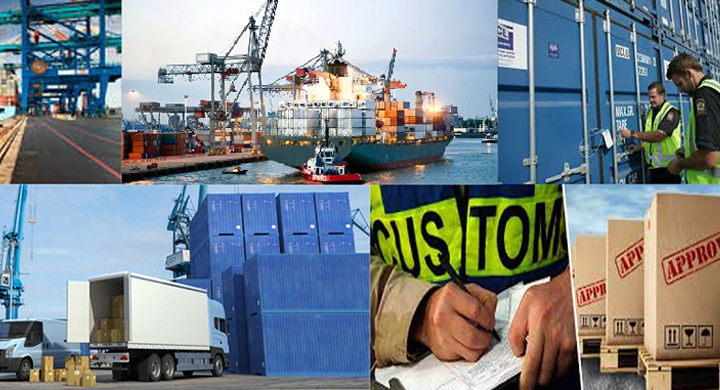
Customs clearance UAE to GCC services play an essential role in ensuring that cargo moves smoothly between the United Arab Emirates and other Gulf Cooperation Council (GCC) countries. Businesses that ship goods from the UAE to Saudi Arabia, Qatar, Kuwait, Bahrain, and Oman must follow specific customs regulations, documentation procedures, and duty requirements. Efficient customs clearance helps companies avoid shipment delays, reduce operational costs, and maintain reliable supply chains. At Saif Cargo, we provide professional customs clearance UAE to GCC services that simplify the entire logistics process, from documentation preparation to cargo release. For complete cargo and logistics services, visit our homepage:๐Ÿ‘‰ https://saifcargouae.com/ Understanding Customs Clearance UAE to GCC Customs clearance UAE to GCC involves the official process of declaring goods to customs authorities before exporting or importing cargo between GCC countries. Authorities review shipment details, verify documentation, calculate duties, and ensure that cargo complies with trade regulations. The GCC region supports regional trade cooperation, but shipments must still follow each countryโ€™s import laws and customs procedures. Businesses must prepare accurate documents and follow regulatory requirements to complete customs clearance successfully. Saif Cargo helps businesses handle the entire clearance process efficiently and ensures compliance with GCC trade regulations. Required Documents for Customs Clearance UAE to GCC Proper documentation forms the foundation of successful customs clearance UAE to GCC operations. Customs authorities carefully examine documents to confirm cargo value, product classification, and country of origin. Commonly required documents include: Commercial Invoice Packing List Certificate of Origin Bill of Lading or Airway Bill Export Declaration Import Permit (if required) The commercial invoice must clearly describe the goods, include the HS code, and show the accurate cargo value. The packing list must reflect the shipmentโ€™s quantity, weight, and packaging details. Saif Cargo reviews and verifies all documentation to ensure smooth customs processing. Customs Duties and Taxes in GCC Countries Customs clearance UAE to GCC shipments may involve duty payments depending on product classification and trade agreements. Many GCC countries follow similar customs tariff systems, but regulations can vary for certain products. Key factors that affect customs duties include: HS code classification Product category Cargo value (CIF value) Import country regulations Professional customs brokers calculate estimated duties before shipment arrival so businesses can prepare their logistics budgets. Transportation Methods for UAE to GCC Cargo Customs clearance UAE to GCC applies to shipments transported through various freight modes. Businesses can choose the best option based on delivery speed and cargo size. Road Freight Road freight is the most common transportation method for GCC shipments. Trucks provide direct land transportation between neighboring countries and offer flexible delivery schedules. Sea Freight Sea freight supports large cargo volumes and containerized shipments. It provides cost-effective logistics solutions for bulk goods. Air Freight Air freight offers the fastest shipping option for urgent cargo and high-value products. Saif Cargo manages freight transportation and customs clearance under one integrated logistics service. Common Goods Exported from UAE to GCC Countries Many industries depend on customs clearance UAE to GCC services to maintain cross-border trade. Common exported goods include: Construction materials Automotive spare parts Industrial machinery Electronics and appliances FMCG and retail products Medical and pharmaceutical supplies Each product category may require specific certifications or compliance approvals. Saif Cargo ensures that shipments meet all regulatory requirements before export. Challenges in Customs Clearance UAE to GCC Businesses sometimes face challenges when managing customs clearance UAE to GCC shipments. These issues can delay cargo and increase logistics costs. Common problems include: Incorrect HS code classification Incomplete shipment documentation Missing import permits Under-declared cargo value Delays due to customs inspections Professional customs brokers prevent these problems by verifying documents and coordinating directly with customs authorities. Step-by-Step Customs Clearance UAE to GCC Process Saif Cargo follows a structured process to complete customs clearance UAE to GCC shipments efficiently. Document preparation and verification HS code classification confirmation Freight booking and shipment coordination Export declaration submission Import customs declaration in the destination country Inspection handling if required Duty payment processing Cargo release and delivery This organized workflow ensures faster customs processing and reliable cargo movement. Why Choose Saif Cargo for Customs Clearance UAE to GCC? Choosing an experienced logistics partner improves the efficiency of customs clearance UAE to GCC operations. Saif Cargo offers comprehensive freight and customs services for businesses trading within the GCC region. Our key advantages include: Experienced customs clearance specialists Accurate documentation management Fast customs processing Competitive shipping rates Reliable cargo tracking Integrated freight and clearance services We handle the entire customs process so your shipments move smoothly across GCC borders. Stay connected with us here:๐Ÿ‘‰ https://www.facebook.com/share/1GbmamHChf/ Benefits of Professional Customs Brokerage Services Professional assistance improves the success of customs clearance UAE to GCC shipments. Customs brokers ensure that cargo meets all regulatory requirements before crossing borders. Major benefits include: Faster customs clearance Reduced shipment delays Accurate duty calculations Compliance with GCC regulations Improved supply chain efficiency Saif Cargo ensures that your shipments clear customs quickly and reach their destination safely. Reliable Customs Clearance UAE to GCC Services Customs clearance UAE to GCC services require expertise, proper documentation, and compliance with regional trade laws. Businesses that rely on experienced logistics providers can simplify the export and import process significantly. Saif Cargo provides professional customs clearance UAE to GCC services designed for commercial and industrial shipments. Our experienced team ensures accurate documentation, smooth customs processing, and timely cargo delivery across the GCC region. Contact Saif Cargo today to streamline your customs clearance UAE to GCC operations and experience reliable logistics support.

customs brokerage UAE

customs brokerage UAE

Customs brokerage UAE services play a vital role in international trade. Businesses that import or export goods through the United Arab Emirates must follow strict customs regulations, documentation requirements, and tax procedures. A professional customs broker ensures that shipments comply with all rules and move quickly through ports without delays. Companies rely on experienced customs brokerage providers to manage paperwork, calculate duties, coordinate inspections, and communicate with customs authorities. This service reduces risk and saves time for businesses involved in global trade. For reliable cargo and logistics solutions, visit the Saif Cargo homepage:https://saifcargouae.com/ What is Customs Brokerage? Customs brokerage refers to the process of managing import and export clearance through customs authorities. A customs broker acts as an intermediary between businesses and government agencies. In the UAE, licensed brokers handle: Customs declarations Import and export documentation Duty and tax calculations Cargo inspections coordination Shipment release procedures They work closely with organizations such as the Federal Customs Authority and regional departments like Dubai Customs. By handling these complex procedures, brokers allow businesses to focus on operations while ensuring legal compliance. Importance of Customs Brokerage in the UAE The UAE serves as one of the largest logistics hubs in the Middle East. Major ports and airports handle large volumes of international cargo daily. Without professional brokerage services, businesses could face delays, penalties, or rejected shipments. Customs brokers simplify trade by: Ensuring correct HS code classification Preparing accurate documentation Calculating import duties and VAT Communicating with customs officers Managing inspections and approvals These services improve efficiency and help companies avoid costly mistakes. Major Cargo Entry Points in the UAE 4 Most international cargo enters the UAE through key logistics gateways, including: Jebel Ali Port Dubai International Airport Khalifa Port Customs brokers coordinate with these ports to ensure shipments pass inspections and receive clearance quickly. Documents Required for Customs Clearance A customs broker manages the full documentation process required for import and export clearance. Common documents include: Commercial Invoice Packing List Bill of Lading or Air Waybill Certificate of Origin Import permit (if required) Delivery order Incorrect or incomplete documentation remains one of the most common causes of shipping delays. A professional broker ensures every document meets UAE customs standards. Customs Duties and Taxes in the UAE Customs brokers also calculate duties and taxes applicable to shipments entering the UAE. Typical charges include: Import duty (usually 5% of CIF value) Value Added Tax (VAT) of 5% Excise tax for specific goods such as tobacco or energy drinks Accurate calculation prevents underpayment penalties or clearance delays. Customs Brokerage for Different Industries Many industries depend on customs brokerage services to manage complex regulatory requirements. Common sectors include: Retail and e-commerce Electronics and technology Automotive parts Construction materials Food and beverage imports Industrial machinery Each sector requires specific documentation and compliance procedures. Experienced brokers ensure shipments meet all regulations before arrival. Benefits of Professional Customs Brokerage Services Working with an experienced customs broker provides several advantages: Faster cargo clearance Reduced documentation errors Compliance with UAE regulations Lower risk of penalties or shipment delays Efficient coordination with ports and authorities Professional brokers also keep businesses updated about regulatory changes and new trade policies. Why Businesses Choose Professional Logistics Companies Businesses prefer experienced logistics providers because they offer complete supply chain support. Along with customs brokerage, companies often provide transportation, warehousing, and freight forwarding. This integrated approach simplifies international shipping and ensures smooth cargo movement from origin to final delivery. You can also connect with Saif Cargo through their official page:https://www.facebook.com/share/1GbmamHChf/

UAE import procedures

UAE import procedures

UAE import procedures ensure that goods entering the United Arab Emirates follow legal customs regulations, proper documentation standards, and taxation rules. Businesses that import products into the UAE must comply with official customs processes to avoid shipment delays, penalties, or cargo rejection. Understanding UAE import procedures helps companies move goods efficiently and maintain a reliable supply chain. Professional logistics companies simplify the process by handling documentation, customs declarations, and freight coordination. At Saif Cargo, we provide reliable support for UAE import procedures and ensure that cargo clears customs quickly and safely. For complete logistics and freight services, visit our homepage: ๐Ÿ‘‰ https://saifcargouae.com/ Understanding UAE Import Procedures UAE import procedures involve several regulatory steps that importers must complete before cargo enters the country. Importers must first obtain a valid trade license and register with the customs authority to receive an importer code. The main steps include: Importer registration with customs Cargo documentation preparation Customs declaration submission Duty and VAT payment Cargo inspection (if required) Final cargo release Customs authorities review shipment details, including the product category, country of origin, cargo value, and compliance with UAE regulations. Professional logistics companies like Saif Cargo assist importers in completing all these steps efficiently. Essential Documents Required for UAE Imports Documentation plays a critical role in UAE import procedures. Customs officials review documents to verify shipment value, product description, and compliance with import laws. Commonly required documents include: Commercial Invoice Packing List Bill of Lading (for sea freight) Airway Bill (for air freight) Certificate of Origin Import Permit (for regulated goods) The commercial invoice must contain detailed product descriptions, HS codes, cargo value, and exporter and importer details. The packing list must accurately describe the cargo quantity, packaging type, and weight. Saif Cargo checks all documentation carefully before submission to ensure a smooth customs clearance process. Customs Duties and VAT for Imports UAE import procedures require importers to pay customs duties and Value Added Tax (VAT) where applicable. Customs authorities calculate duties based on the CIF value, which includes cost, insurance, and freight. Important points include: Standard customs duty rate is generally 5% for most imported goods. VAT is usually 5% on taxable imports. Certain goods may qualify for duty exemptions under trade agreements. Proper duty calculation helps businesses plan their logistics budgets and avoid unexpected costs. Customs Clearance Process in the UAE The customs clearance process follows a structured workflow under UAE import procedures. 1. Document Submission Importers or customs brokers submit shipment documents to the customs system. 2. Customs Declaration A customs declaration is filed electronically with shipment details, HS codes, and cargo value. 3. Duty and VAT Payment Importers must pay customs duties and VAT before cargo release. 4. Customs Inspection Authorities may inspect the shipment to verify documentation and cargo contents. 5. Cargo Release After successful verification, customs authorities release the shipment for delivery. Saif Cargo manages each stage of the clearance process to prevent delays and ensure compliance. Types of Goods Requiring Special Import Approvals Some products require special permits or approvals under UAE import procedures. These include regulated goods that must meet safety and compliance standards. Examples include: Food and beverages Pharmaceuticals and medical equipment Cosmetics and personal care products Electronics with regulatory certification Chemicals and hazardous materials Importers must obtain the required permits before shipping these products to the UAE. Saif Cargo assists businesses in obtaining the necessary approvals before cargo arrival. Freight Options for Importing Cargo to the UAE UAE import procedures apply to multiple freight transportation modes. Businesses choose transport methods based on urgency, cargo volume, and budget. Sea Freight Sea freight is the most economical option for large or bulk shipments. Air Freight Air freight offers the fastest delivery for urgent or high-value cargo. Land Freight Land freight supports regional shipments within GCC countries. Saif Cargo coordinates freight movement and customs clearance under a single logistics service. Common Challenges in UAE Import Procedures Many importers face challenges when handling UAE import procedures without professional assistance. These challenges can slow down cargo release and increase costs. Common issues include: Incorrect HS code classification Missing or incomplete documents Under-declared cargo value Failure to obtain import permits Delays caused by customs inspections Professional customs brokers help businesses avoid these problems by ensuring accurate documentation and compliance. Why Choose Saif Cargo for UAE Import Procedures? Choosing an experienced logistics provider makes UAE import procedures much easier. Saif Cargo provides comprehensive customs and freight services for businesses importing goods into the UAE. Our advantages include: Experienced customs clearance specialists Accurate documentation management Fast customs processing Competitive shipping rates Reliable cargo tracking Integrated freight and clearance solutions Our team handles every stage of the import process so your business can focus on growth. Stay connected with us here: ๐Ÿ‘‰ https://www.facebook.com/share/1GbmamHChf/ Benefits of Professional Import Clearance Services Professional support improves the efficiency of UAE import procedures. Customs brokers ensure that shipments meet all regulatory requirements before arrival. Key benefits include: Faster customs clearance Reduced risk of shipment delays Accurate duty and tax calculations Compliance with UAE regulations Improved logistics planning Saif Cargo ensures that your cargo moves smoothly through UAE customs and reaches its destination safely.

Kuwait customs clearance UAE

Kuwait customs clearance UAE

Kuwait customs clearance UAE services ensure smooth cargo movement between the United Arab Emirates and Kuwait. Businesses that trade across these two GCC countries must follow proper customs regulations, submit accurate documentation, and comply with import laws to avoid delays or penalties. Professional customs handling guarantees faster cargo release and uninterrupted supply chain operations. At Saif Cargo, we provide reliable Kuwait customs clearance UAE services for commercial and industrial shipments. Our experienced team manages documentation, duty calculations, and customs procedures to ensure quick and compliant clearance. For complete freight and logistics services, visit our homepage:๐Ÿ‘‰ https://saifcargouae.com/ Understanding Kuwait Customs Clearance UAE Procedures Kuwait customs clearance UAE shipments must comply with Kuwaitโ€™s import regulations. Customs authorities evaluate cargo based on product classification, declared value, origin of goods, and regulatory approvals. Importers must provide the following documents: Commercial Invoice Packing List Certificate of Origin Bill of Lading or Airway Bill Import License (if required) Product-specific certificates Saif Cargo reviews all documents carefully before shipment dispatch to ensure smooth customs processing in Kuwait. Required Documentation for Kuwait Customs Clearance Proper documentation plays a vital role in Kuwait customs clearance UAE shipments. Inaccurate information can trigger inspections, delays, or fines. The commercial invoice must clearly include: Detailed product description Correct HS code Accurate shipment value Exporter and importer details The packing list must match cargo quantity, weight, and packaging. The certificate of origin must confirm the exporting country and may require attestation for certain products. Our team ensures complete document compliance before submitting customs declarations. Customs Duties and Taxes in Kuwait Kuwait customs clearance UAE shipments may require payment of customs duties depending on product type and classification. Authorities calculate duty based on the CIF value (Cost, Insurance, and Freight). Factors affecting customs charges include: HS code classification Product category Declared cargo value Applicable GCC trade policies Saif Cargo estimates duties in advance so businesses can plan logistics costs effectively. Freight Options for Kuwait Customs Clearance UAE Kuwait customs clearance UAE services apply to different freight modes. Businesses can select transportation methods based on urgency, cargo size, and budget. Road Freight Road freight offers cost-effective solutions for cross-border shipments between UAE and Kuwait. Sea Freight Sea freight supports bulk cargo and containerized shipments with economical transit rates. Air Freight Air freight provides the fastest delivery option for urgent or high-value goods. Saif Cargo coordinates transportation and customs clearance under a single streamlined service. Common Products Imported from UAE to Kuwait Many industries rely on Kuwait customs clearance UAE services to maintain business operations. Frequently imported products include: Construction materials Automotive spare parts Electronics and electrical equipment Industrial machinery FMCG and retail goods Medical and pharmaceutical products Each category may require special approvals or compliance certificates. Saif Cargo ensures that all regulatory requirements are fulfilled before shipment arrival. Common Challenges in Kuwait Customs Clearance UAE Importers often face challenges during Kuwait customs clearance UAE procedures. These issues can delay shipments and increase operational costs. Common problems include: Incorrect HS code declaration Under-declared cargo value Missing or incomplete documentation Product compliance issues Unexpected customs inspections Saif Cargo prevents these challenges by performing detailed documentation checks and coordinating directly with customs authorities. Step-by-Step Kuwait Customs Clearance UAE Process Saif Cargo follows a structured approach for efficient clearance: Collection and verification of shipment documents Confirmation of HS code classification Freight booking and shipment coordination Advance duty calculation Submission of customs declaration in Kuwait Inspection handling if required Duty payment processing Cargo release and final delivery This systematic process ensures smooth Kuwait customs clearance UAE services without unnecessary delays. Why Choose Saif Cargo for Kuwait Customs Clearance UAE? Professional customs clearance requires knowledge of regulations and regional trade procedures. Saif Cargo offers dependable Kuwait customs clearance UAE services tailored to your business needs. Our advantages include: Experienced customs brokerage team Accurate documentation management Fast customs processing Competitive pricing Transparent communication Integrated freight and clearance services We manage the entire customs process so your shipments move smoothly from UAE to Kuwait. Stay connected with us here:๐Ÿ‘‰ https://www.facebook.com/share/1GbmamHChf/ Benefits of Professional Customs Brokerage Services Kuwait customs clearance UAE regulations require strict compliance. Even minor paperwork errors can delay cargo release. Professional customs brokers reduce risks and accelerate shipment processing. Key benefits include: Faster cargo clearance Accurate duty calculation Reduced inspection delays Compliance with import laws Improved supply chain efficiency Saif Cargo ensures that your shipment clears Kuwait customs quickly and reaches its destination safely. Reliable Kuwait Customs Clearance UAE Services Kuwait customs clearance UAE services demand precise documentation, accurate declarations, and regulatory expertise. Saif Cargo delivers efficient and professional customs clearance for commercial and industrial shipments between the UAE and Kuwait. Our experienced team ensures accurate paperwork, smooth customs processing, and timely delivery. Contact Saif Cargo today for dependable Kuwait customs clearance UAE solutions designed to support your business growth.

Call Call WhatsApp WhatsApp