
UAE to GCC Inventory Solutions
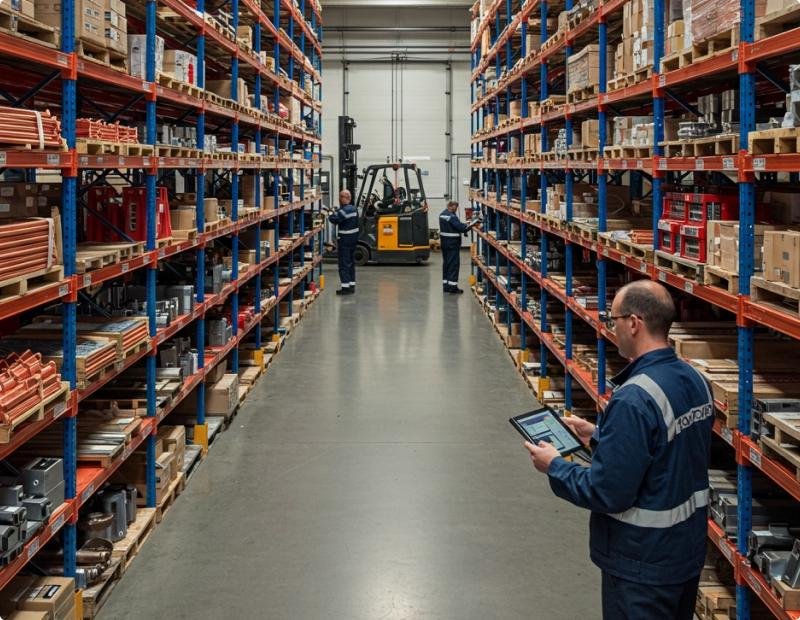
Businesses selling or distributing products across the Gulf need more than reliable transportation. They also need accurate stock control, secure storage, fast order processing, and smooth distribution. UAE to GCC inventory solutions help businesses manage their products from storage in the UAE to delivery across Saudi Arabia, Oman, Qatar, Bahrain, and Kuwait. A well-managed inventory system can improve stock visibility, reduce handling errors, support faster dispatch, and make GCC distribution easier. Modern logistics providers can combine warehousing, inventory management, picking, packing, customs coordination, and cross-border transportation into one supply chain process. What Are UAE to GCC Inventory Solutions? UAE to GCC inventory solutions are logistics services designed to help businesses store, monitor, manage, and distribute products from the UAE to different GCC markets. Instead of keeping all stock at separate locations, a business can use a UAE warehouse as a central inventory point. Products can be received, checked, stored, picked, packed, and dispatched according to demand. Typical inventory solutions include: Warehouse storage Inventory tracking Stock receiving and verification Barcode-based inventory control Pick and pack services Product labeling Stock counting and reconciliation Order fulfillment Cross-docking GCC distribution Returns handling Repacking and kitting Customs and freight coordination Warehousing operations commonly include receiving, putaway, picking, packing, and shipping. Why UAE Is a Useful Inventory Hub for GCC Distribution The UAE has an important position in regional trade and logistics. Businesses can store imported products in Dubai or other UAE locations and distribute them to customers and business partners across the GCC. A centralized inventory model can help businesses avoid moving every shipment directly from an international supplier to individual GCC destinations. For example, goods can arrive in the UAE, be stored in a warehouse, and then be dispatched according to orders from: Saudi Arabia Oman Qatar Bahrain Kuwait Different UAE emirates Some UAE logistics providers combine warehousing with road transportation and GCC cross-border distribution, allowing businesses to manage storage and transportation through connected logistics operations. UAE to Saudi Arabia Inventory Distribution Saudi Arabia is one of the major GCC markets served from the UAE. Inventory can be stored in a UAE warehouse and dispatched to Saudi customers, distributors, retailers, or project locations when required. Depending on shipment size and requirements, businesses may use: Full Truckload (FTL) Less Than Truckload (LTL) Consolidated cargo Pallet shipments Door-to-door delivery Accurate inventory records are especially useful when businesses have regular Saudi orders because stock can be prepared before the truck is dispatched. UAE to Oman Inventory Solutions Oman is another important destination for UAE-based inventory distribution. Businesses can maintain stock in the UAE and arrange regular road shipments to Muscat, Sohar, Salalah, and other locations. For smaller shipments, consolidation can allow products from different orders to be grouped together. Larger businesses may use dedicated trucks for regular inventory replenishment. The combination of warehousing and road freight allows businesses to replenish stock based on actual demand instead of sending large quantities without proper planning. UAE to Qatar Inventory Management Businesses serving Qatar can also use UAE-based inventory storage and distribution. Products can remain in a central warehouse until an order or replenishment requirement is confirmed. Warehouse teams can then pick the required products, prepare the shipment, complete documentation, and coordinate transportation. This model can be useful for: Retail products E-commerce inventory Spare parts Industrial products Consumer goods Project materials Cross-border logistics providers increasingly combine warehousing, transportation, tracking, and distribution services for GCC markets. UAE to Bahrain Inventory Solutions For businesses serving Bahrain, centralized UAE inventory can support regular replenishment. Instead of maintaining large quantities of stock in every market, businesses can keep appropriate inventory levels in the UAE and dispatch products when required. Inventory management can include: Receiving products Checking quantities Recording SKU information Storing products Monitoring stock levels Preparing orders Packing and labeling Dispatching cargo Tracking delivery Updating inventory records This process helps businesses maintain better control over their stock movements. UAE to Kuwait Inventory Distribution Kuwait-bound inventory can also be managed through a UAE warehouse. Products can be consolidated according to destination, customer, product category, or order requirements. The logistics provider can then arrange suitable road transportation and cross-border documentation. A centralized inventory solution is particularly useful for companies that have multiple GCC customers but do not want to operate separate warehouses in every country. How UAE to GCC Inventory Solutions Work A typical inventory management process follows several stages. 1. Receiving Inventory Products arrive at the UAE warehouse from manufacturers, suppliers, ports, or other logistics locations. The warehouse team checks quantities, packaging, product details, and shipment documentation. 2. Inventory Registration Products are entered into the inventory system using SKU numbers, barcodes, product codes, or other identification methods. Barcode-based systems can improve stock visibility and help track inventory movements between receiving, storage, picking, and dispatch. 3. Secure Storage Products are placed in suitable warehouse locations. Depending on the product, businesses may require: General storage Pallet storage Shelving Temperature-controlled storage Bonded storage Free-zone storage Open-yard storage for suitable industrial goods 4. Stock Monitoring Inventory levels are monitored regularly. Businesses can identify: Available stock Low-stock products Fast-moving products Slow-moving products Damaged items Expired or near-expiry products Stock discrepancies For products with expiry dates, inventory layouts can support FIFO or FEFO processes where appropriate. 5. Order Picking and Packing When a GCC customer places an order, warehouse staff pick the required products and prepare them for transportation. Products can be labeled, packed, palletized, or repacked according to shipment requirements. 6. GCC Dispatch After preparation and documentation, cargo is dispatched toward the required GCC destination. Road freight can connect UAE inventory with Saudi Arabia, Oman, Qatar, Bahrain, and Kuwait. 7. Inventory Update Once products leave the warehouse, inventory records are updated. This gives the business a clearer picture of remaining stock and helps with future replenishment planning. Benefits of UAE to GCC Inventory Solutions Better Stock Visibility A structured inventory system allows businesses to know what products are available and where they are stored. Faster Order Fulfillment When products are already stored in a UAE warehouse, orders can be